If you're thinking about going solar, one question comes up again and again: is there actually a "best" time of year to get it done? The truth is, timing can make a real difference, not to how much sunlight your panels eventually capture, but to cost, availability, and how quickly you get connected. Here's what to consider before booking solar panel installers in Ireland.
Does the Season Actually Affect Solar Panel Installation?
Many homeowners assume solar panel installation only makes sense in summer, when the sun is strongest. In reality, the physical installation itself can happen any time of year in Ireland, rain or shine, as long as conditions are safe for roof work. What changes with the seasons isn't whether you can install, but how smoothly the process goes.
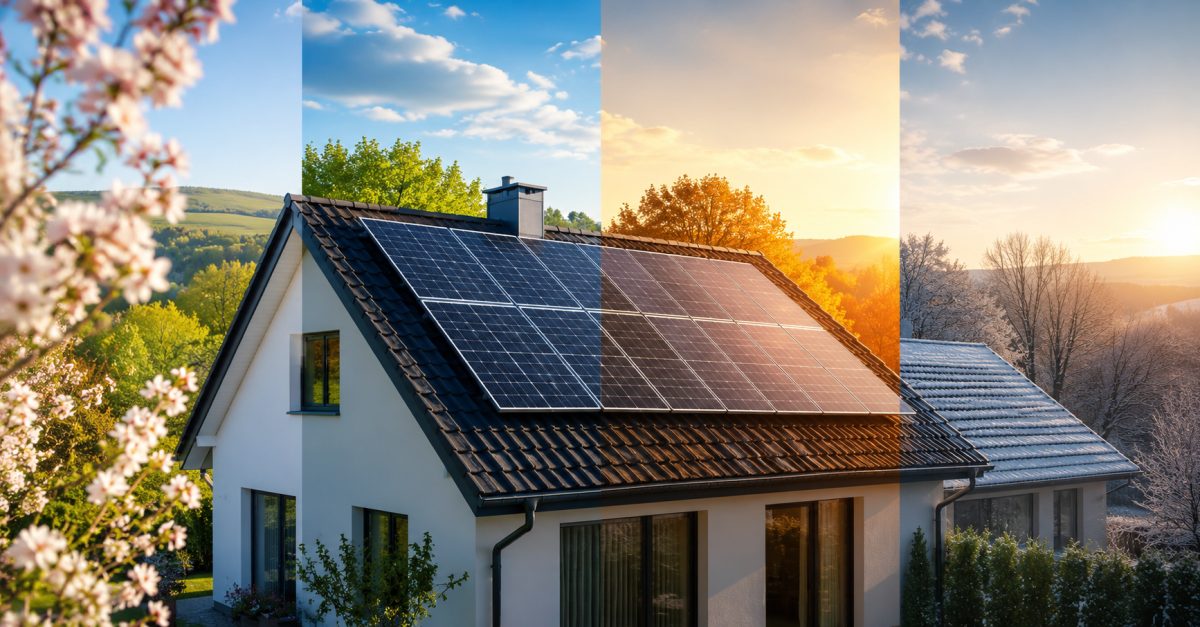
Here's how the year typically breaks down:
- Spring (March–May): Demand starts rising as homeowners plan ahead of summer. Booking early in this window often means shorter waiting times.
- Summer (June–August): The busiest period for solar panel installers in Ireland. Longer lead times are common, and popular installers can be booked out weeks in advance.
- Autumn (September–November): A sweet spot. Demand eases off, installer availability improves, and your system is ready to generate for the following spring and summer.
- Winter (December–February): Quietest period for bookings. Installers often have more flexibility, and some offer better availability or faster turnaround.
Why Installing Outside Peak Season Can Work in Your Favour
It might seem counterintuitive to install solar panels when the days are shorter, but there are genuine advantages to avoiding the summer rush.
- Faster scheduling – Reputable solar panel installers in Ireland are in high demand during summer. Booking in autumn or winter usually means a shorter wait between quote and installation.
- More installer attention – Outside peak season, installers have more time to focus on site surveys, system design, and answering your questions properly.
- Ready before you need it – Installing in autumn or winter means your system is fully commissioned and generating by the time spring and summer arrive, when Irish daylight hours and solar output are at their highest.
- Grant timelines – SEAI grant approval must be secured before installation begins, and offers are typically valid for several months. Applying early avoids any risk of missing the window before your preferred installation date.
What Matters More Than the Calendar
While seasonal timing affects convenience and cost, a few other factors matter just as much when installing solar panels in Ireland:
- Roof orientation and shading: A south-facing roof with minimal shading will outperform a poorly oriented one regardless of when it's installed.
- Grant approval timing: Since installation can't legally begin until your SEAI grant is approved, factor in a few weeks for paperwork before your ideal install date.
- Electrical and grid connection steps: Your installer needs to submit grid connection paperwork in advance, which can take several weeks to process.
- Choosing a registered installer: Working with an SEAI-registered company ensures your installation qualifies for the solar panels grant and meets safety standards.
How to Plan Your Solar Panel Installation
If you want to make the most of your timing, here's a simple sequence to follow:
- Get quotes early, ideally in late autumn or winter, from SEAI-registered solar panel installers in Ireland.
- Submit your grant application before agreeing to any installation date.
- Wait for grant approval before any work or purchasing begins.
- Schedule installation for a date that suits your installer's availability and your household's needs.
- Complete your post-works BER assessment once installation is finished, to release your grant payment.
Booking ahead of the summer rush, rather than during it, generally means a smoother experience from quote to commissioning.
Is There a Wrong Time to Install Solar Panels?
Not really. Solar panels in Ireland generate electricity year-round, even on overcast days, since panels respond to daylight rather than direct sun alone. The bigger risk isn't installing "too early" or "too late" in the year, it's rushing the process, skipping grant approval steps, or choosing an installer without proper SEAI registration.
Final Thoughts
There's no single perfect month for installing solar panels in Ireland, but autumn and winter offer real practical advantages: shorter waits, more attentive service, and a system that's fully operational before the sunniest months arrive. Whatever time of year you choose, working with an experienced, SEAI-registered installer is what actually determines how well your system performs and how smoothly your grant is processed.
FAQs
What is the best month to install solar panels in Ireland?
There's no strict best month, but autumn and winter tend to offer shorter waiting times with solar panel installers in Ireland, while still allowing your system to be ready for peak summer generation.
Can solar panels be installed during Irish winter?
Yes. Solar panel installation can happen throughout the year in Ireland, as long as weather conditions are safe for roof access. Panels also continue to generate electricity in winter, just at lower levels than summer.
Does installing solar panels in summer mean better performance?
No. Installing in summer doesn't improve long-term performance, it simply means higher demand and potentially longer waiting times for solar panel installers in Ireland.
How long does the whole installation process usually take?
From initial quote to commissioning, the process typically takes several weeks, factoring in SEAI grant approval, grid connection paperwork, and installer scheduling.