If you have solar panels and you're an Electric Ireland customer, you've likely noticed a change to what you're paid for exporting surplus electricity back to the grid. The Electric Ireland solar panel tariff cut reduced the company's microgeneration export rate, and understandably, this has left many homeowners wondering whether solar panels are still worth it. Here's a clear, honest breakdown of what changed and what it actually means for your household.
What Was the Electric Ireland Solar Panel Tariff Cut?
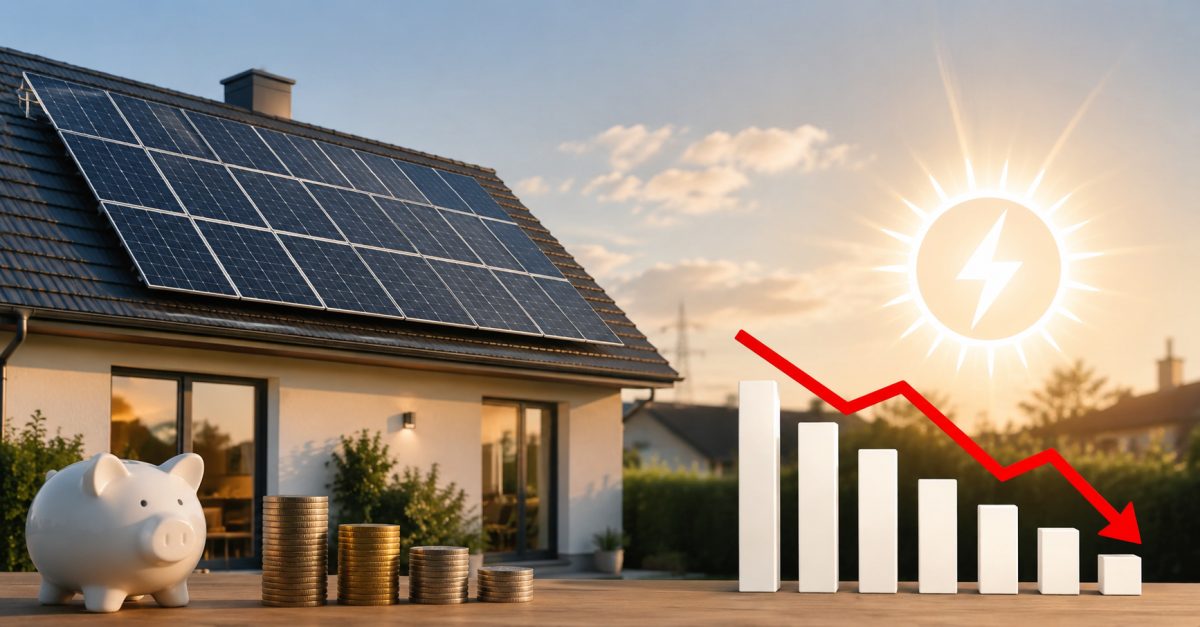
Electric Ireland reduced its Clean Export Guarantee (CEG) rate, the amount paid per kWh of surplus solar electricity exported to the grid, from 21c/kWh down to 18.5c/kWh. This cut came into effect alongside a reduction in the company's import electricity price, meaning both what you pay for grid electricity and what you earn for exporting solar power moved at the same time.
Since then, rates have shifted again, and Electric Ireland's current export rate sits at 19.5c/kWh, which remains one of the more competitive standard rates on the Irish market. It's worth noting this export rate has stayed untouched even through Electric Ireland's more recent import price increases, meaning the gap between what you pay and what you earn has widened rather than narrowed.
Why Did Electric Ireland Cut the Solar Tariff?
Unlike the SEAI solar panels grants, which are government-administered and fixed, feed-in tariff rates are entirely a commercial decision made by each electricity supplier. The Clean Export Guarantee scheme requires every supplier to offer some export rate, but the actual figure isn't regulated by the CRU (Commission for Regulation of Utilities).
This means:
- Suppliers can raise or lower their export rate at any time.
- There's no minimum guaranteed rate beyond "some payment" for exported electricity.
- Rates vary significantly across the market, from roughly 15c/kWh up to 19.5c/kWh on standard tariffs, and higher again on select installer-partner offers.
The Electric Ireland solar panel tariff cut reflects this reality: export rates move independently of your solar system's performance or your grant entitlements.
Does the Tariff Cut Affect Your Solar Panels Grants?
This is the most important point for anyone currently planning an installation: no. The Electric Ireland solar panel tariff cut has no bearing whatsoever on your eligibility for solar panels grants from SEAI. These are two completely separate things:
- SEAI grants are a one-off payment (up to €1,800 for residential systems) that reduces your upfront installation cost.
- Feed-in tariffs, like Electric Ireland's, are an ongoing per-kWh payment for the electricity you export, set independently by your supplier.
A lower export rate simply means slightly less income per unit exported. It doesn't reduce your grant amount, change your eligibility, or affect how your solar PV system is installed.
How Much Does the Tariff Cut Actually Cost You?
For most Irish households, the real-world impact is smaller than the headline percentage suggests. Here's why:
- Self-consumption matters more than export. A typical solar panel Ireland installation covers 50–70% of daytime electricity use directly, and those savings are unaffected by any export tariff cut.
- Export is usually the smaller share. Without a battery, households typically export 30–40% of their solar generation. The tariff cut applies only to this portion.
- The gap between suppliers is modest. On a typical 4kWp system, the difference between the highest and lowest export rates on the market works out to a few hundred euro per year, not a dealbreaker for most homeowners.
What Homeowners Can Do About It
If the tariff cut has you reconsidering your supplier or your solar plans, here are practical steps to protect your savings:
- Compare export rates before switching. You're not locked into the supplier who was active when your panels were installed; switching to a higher CEG rate is straightforward.
- Focus on self-consumption. Running appliances like dishwashers, washing machines, and immersion heaters during daylight hours maximises the value of your solar panels regardless of export rates.
- Consider a battery. Storing surplus electricity for evening use can be worth more than exporting it, especially as import prices rise faster than export rates.
- Still apply for solar panels grants. The upfront grant support remains unchanged and is still one of the strongest financial incentives for going solar in Ireland.
Is Solar Panel Ireland Still Worth It After the Tariff Cut?
Yes. Even accounting for the reduced export rate, solar panel Ireland installations remain financially sound. The bulk of your savings comes from using your own generated electricity rather than buying it from the grid, and that equation hasn't changed. Combined with SEAI's solar panels grants and 0% VAT on installation, payback periods remain competitive, typically within 4 to 7 years for most residential systems.
Final Thoughts
The Electric Ireland solar panel tariff cut is a reminder that export rates are set by suppliers, not guaranteed by government policy, and they can change. But it doesn't touch the core value proposition of solar: reducing your own electricity bills. If you're weighing up an installation, don't let a tariff adjustment put you off. The grant support, VAT relief, and self-consumption savings remain the real foundation of your return on investment.
FAQs
Did the Electric Ireland solar panel tariff cut affect SEAI grants?
No. The tariff cut only affects the export payment rate for surplus electricity. Solar panels grants from SEAI are unrelated and remain unchanged.
Can I switch suppliers after installing solar panels?
Yes. You're not tied to the supplier active at installation. You can switch to any supplier offering a better Clean Export Guarantee rate at any time.
How much did Electric Ireland's export rate actually change by?
The rate dropped from 21c/kWh to 18.5c/kWh initially, and currently sits at 19.5c/kWh, still among the more competitive standard rates in the Irish market.
Is solar panel Ireland installation still financially worthwhile after the cut?
Yes. Most of your savings come from self-consumption rather than export income, so the overall payback period remains largely unaffected.