You have taken the smart step of installing solar panels and your roof is generating clean electricity during the day. But many Irish homeowners quickly notice a timing problem: solar production is usually strongest between the morning and afternoon, while household electricity use often rises in the evening. Without battery storage, a large part of the electricity generated during the day may be exported to the grid instead of being used in your own home later.
That is where solar battery storage Ireland can change the way your system works. A battery stores surplus solar electricity when your panels are producing more than your home needs and releases it when solar generation falls. In 2026, battery storage is no longer only a luxury upgrade. For the right household, it can improve self-consumption, reduce grid imports and make a solar PV system more useful after sunset.
This guide explains how solar batteries work, what they cost in Ireland, how the current SEAI battery grant works and which homes are most likely to benefit. It also explains why the biggest battery is not always the best financial choice.
How Does Solar Battery Storage Work in Ireland?
A solar battery stores surplus electricity generated by your panels during daylight hours. Instead of sending all unused generation to the grid, the system directs some of it into the battery. The stored electricity can then be used in the evening, overnight or during periods of low solar production.
A typical cycle in an Irish home looks like this:
•Morning to midday: The panels begin producing electricity and the home uses solar power directly for appliances, lighting and other demand.
•Early afternoon: Solar generation may exceed current household use. The surplus can charge the battery before any remaining electricity is exported.
•Evening, commonly around 5pm to 10pm: Solar production drops as daylight fades. The battery supplies stored electricity for cooking, lighting, entertainment and appliances.
•Late night: When the battery reaches its reserve or usable limit, the home draws electricity from the grid. A time-of-use tariff may make some overnight electricity cheaper, depending on the supplier and tariff terms.
The battery does not create additional electricity. It changes when your home uses electricity generated by the panels. There are also small losses during charging and discharging, so the usable capacity is lower than the headline capacity in some systems.
Without a battery, self-consumption depends heavily on how much electricity the household uses while the panels are producing. Many homes export a significant proportion of daytime surplus. With a correctly sized battery, more solar electricity can remain available for evening use. The exact improvement depends on panel size, battery capacity, household demand, weather, export payments and how appliances are operated.
Exporting electricity is not automatically a bad outcome. Under the Clean Export Guarantee, eligible households may receive payment for electricity exported to the grid, but the rate depends on the supplier and current tariff. Import electricity prices are also variable. A battery decision should compare your actual import cost, export rate, annual usage and expected battery performance rather than rely on a single national price assumption.
Solar Battery Storage Ireland: What Does It Cost in 2026?
Battery storage is usually a separate cost on top of the solar panel installation. In 2026, indicative installed prices for a home battery in Ireland may range from approximately €4,500 to €7,000, although the final amount depends on the system design, inverter, installation work and warranty.
Typical planning ranges include:
•5kWh battery: Approximately €4,500 to €5,500. This may suit a smaller household or a three-bedroom home with moderate evening use.
•7kWh to 10kWh battery: Approximately €5,500 to €7,000. This is a common range for a three- or four-bedroom home with higher evening demand.
•10kWh or larger battery: Often from €7,000 upwards. This may suit a home with an EV, heat pump or substantial electricity consumption, although the correct capacity depends on the complete system design.
These figures are indicative rather than fixed prices. Ask whether the quoted capacity is total capacity or usable capacity. You should also check the battery’s round-trip efficiency, maximum charge and discharge rate, expected cycle life, warranty period, operating temperature range, monitoring app and expansion options.
A battery with backup or islanding capability may cost more than a standard grid-connected battery. Backup operation can require additional protection equipment and a separate design so that selected circuits remain powered safely during a grid outage. Confirm whether the quotation includes whole-home backup, essential-load backup or no backup at all.
Is there an SEAI grant for batteries?
Older articles may say that the standalone battery grant was discontinued. That information is no longer correct under the current 2026 SEAI domestic scheme. An eligible home battery rated at 5kWh or larger may qualify for a flat-rate €600 SEAI battery grant. Batteries below 5kWh are not eligible for this particular grant.
The property must meet the scheme conditions, including having an MPRN and being built and occupied before 2025 under the updated 2026 eligibility rules. The battery must be installed by an SEAI-registered solar PV contractor, and you must receive the SEAI Letter of Offer before installation work begins.
If you install solar PV and a qualifying battery together, both measures can be included in one application when the scheme conditions are met. The standard solar PV grant can be up to €1,800, calculated up to the scheme’s 4kWp limit, and the battery grant can add €600. This means standard eligible support for solar PV and a 5kWh-or-larger battery may reach up to €2,400 in total.
The grant is not an automatic discount on every quotation. It is paid after the work is completed and the required documentation, including the Declaration of Works and relevant certificates, has been accepted. Do not begin the installation before receiving the Letter of Offer.
VAT should also be checked carefully in the written quotation. The VAT treatment can depend on the equipment and nature of the supply and installation. Do not assume that every battery retrofit or every package receives the same VAT treatment. Ask the installer to show the VAT rate and total price clearly.
A realistic battery payback period can vary widely. Some households may see stronger savings because they have high evening demand, a large solar array or a significant gap between import and export rates. Others may have a longer payback if they already use most solar electricity during the day or have low annual consumption. A professional quote should model your actual usage rather than promise a fixed payback period.

Is Solar Battery Storage Worth It for Your Irish Home?
Solar battery storage Ireland can make the strongest financial and practical case for homeowners who meet one or more of the following conditions:
•You are away from home during peak solar hours and currently export much of your generation.
•Your household uses a lot of electricity in the evening for cooking, washing, heating, entertainment and appliances.
•You own or plan to buy an electric vehicle and want to use more solar energy at home.
•You have a heat pump and want to maximise the value of solar electricity across the day.
•You are considering a time-of-use tariff and can charge or discharge the battery according to the tariff structure.
•You want monitoring and greater control over when your home imports electricity.
•You want backup protection for selected essential appliances during a power cut.
Time-of-use and dynamic tariffs can create an additional battery use case. A battery may charge from solar during the day or, where the system and tariff strategy allow it, charge from the grid at a cheaper period and discharge when electricity is more expensive. This strategy depends on the tariff, battery controls, network conditions, round-trip losses and the difference between the rates. It should not be treated as guaranteed income.
A battery may provide less additional value if someone is already at home during the day and uses 50% or more of the solar generation directly. In that situation, the battery may still improve evening flexibility and provide backup, but the extra financial saving can be smaller and the payback period longer.
Battery size is also important. An oversized battery may remain partially charged for much of the year, while an undersized battery may fill quickly and leave surplus solar unused. Your installer should compare your annual generation, half-hourly or interval consumption where available, evening demand, export rate and future EV or heat-pump plans.
FAQs
What size solar battery do I need for an Irish home?
Many Irish homes suit a battery between 5kWh and 10kWh, but there is no universal size. A three-bedroom semi-detached home with moderate evening consumption may work well with around 5kWh. A larger home or a property with an EV or heat pump may need 7kWh to 10kWh or more. The correct choice depends on solar generation, usable capacity and household demand.
Can I add a battery to my existing solar panels later?
Yes. A battery can usually be retrofitted, but the existing inverter may not be compatible. You may need a hybrid inverter, additional protection equipment or changes to the consumer-unit arrangement. A retrofit can therefore cost more than installing compatible solar and battery equipment together.
A later installation may also have different VAT and grant treatment from a combined project. The current SEAI battery grant may be available if the property, battery, contractor and application meet the 2026 conditions, but you must apply before work starts. Ask for a written assessment rather than assuming that an old solar installation automatically makes a battery eligible.
Does a solar battery work during a power cut in Ireland?
Some battery systems include backup or islanding functionality and can keep selected essential circuits operating during a grid outage. Not every battery has this feature. A standard grid-connected battery may shut down during an outage for safety reasons.
If backup matters to you, ask the installer whether the system supports essential-load backup or whole-home backup, what additional hardware is needed, how long the battery can operate and whether the system automatically switches over. The answer depends on the inverter, battery, protection equipment and installation design.
Does a battery increase solar panel output?
No. A battery does not produce more solar electricity. It stores surplus energy and allows the home to use that electricity later. It can increase self-consumption and reduce some grid imports, but the panels still determine how much renewable electricity is generated.
Is a bigger battery always better?
No. A bigger battery costs more and may not be fully used if your solar array or evening demand is small. The best battery is normally one that matches the amount of surplus solar available and the electricity your home uses after solar production falls.
Store More, Save More — Battery Storage from LVP Renewables
LVP Renewables states that it has more than 40 years of renewable-energy experience and over 5,000 installations across Ireland. As an SEAI-registered installer, the company supplies and fits home battery systems and can assess how a battery would work with your panels, usage pattern and future plans.
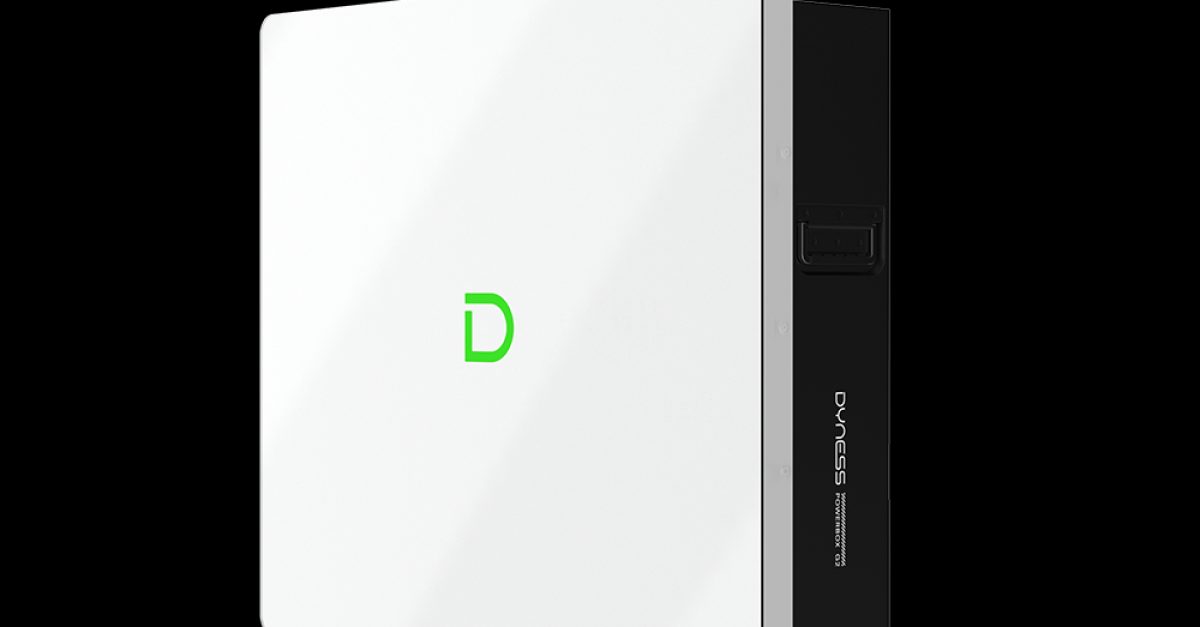
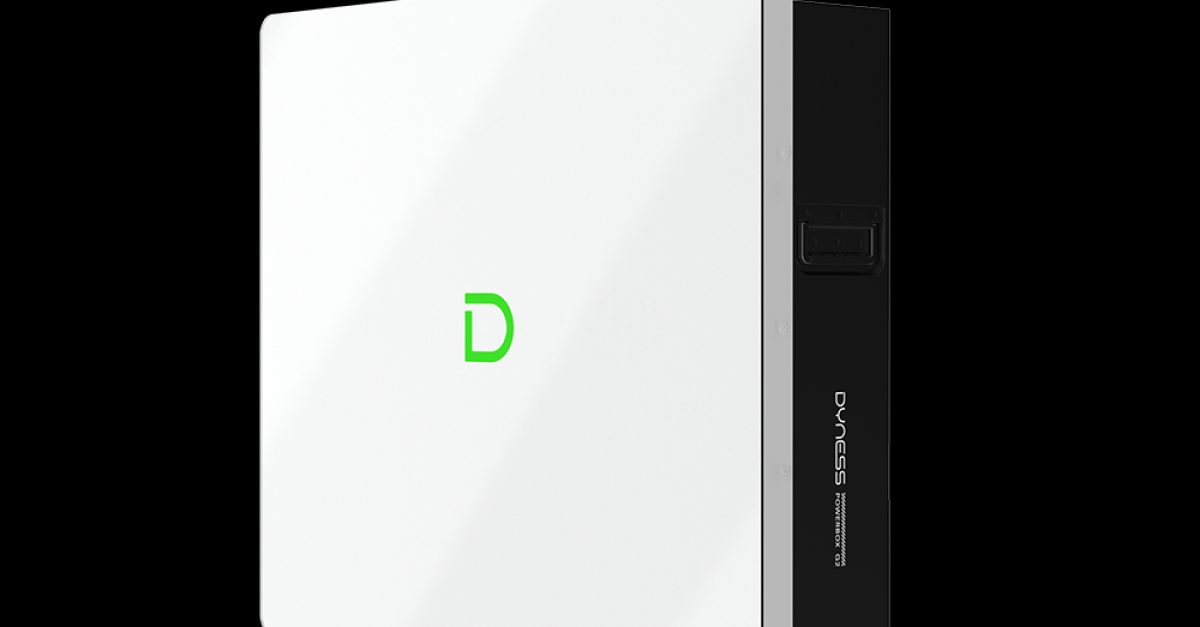
The company lists battery options including Dyness 5.12kWh and 10.24kWh Powerbox LFP systems and WeCo 5.3kWh stackable systems. Product specifications, cycle counts, depth of discharge and warranties should be confirmed in the written quotation because the exact model and package determine the final performance.
Smart monitoring can show solar generation, household demand, battery charging, battery discharge and grid imports or exports. This information helps homeowners understand whether the battery is being used effectively. LVP Renewables also states that it manages the SEAI solar grant application at no extra charge. The current grant amount and eligibility should still be confirmed through the official SEAI process before installation.
For a tailored assessment, contact LVP Renewables on (01) 864 3838 or visit lvprenewables.ie to request a free, no-obligation quote. Ask the installer to show the recommended battery size, usable capacity, expected annual savings, backup capability, warranties, VAT treatment and current SEAI grant amount in writing.