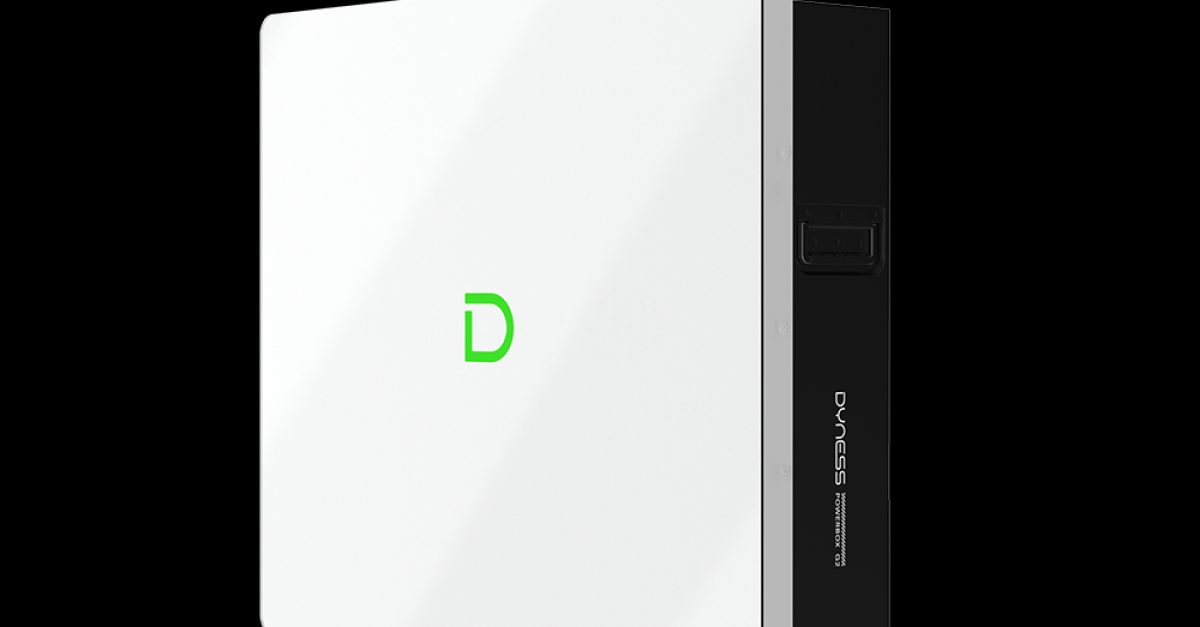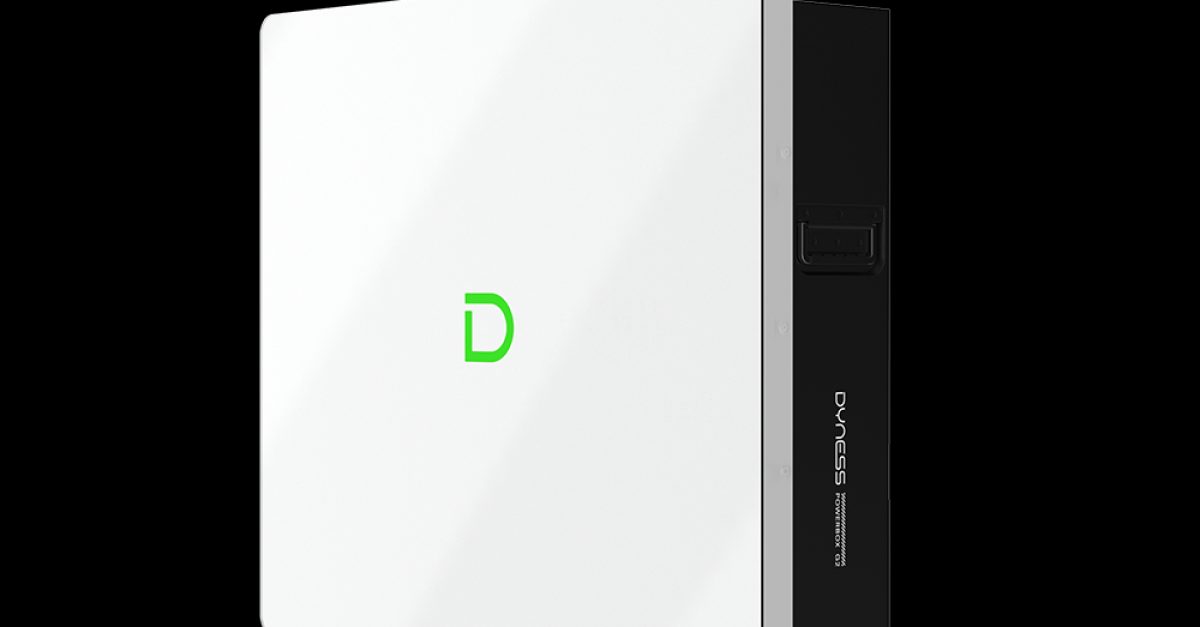
If your latest electricity bill shows a lower credit for exported solar power, you may be seeing the effect of the Electric Ireland solar export tariff cut. For households with solar panels, a lower export rate can change the value of surplus electricity sent back to the grid. Understanding how the tariff works—and how solar battery storage can help you use more of your own power—can help you make a more informed decision about your savings.
What Happened with the Electric Ireland Solar Panel Tariff Cut?
According to the information supplied for this article, Electric Ireland previously paid 21 cent per kWh for surplus electricity exported under the Clean Export Guarantee (CEG). The rate was reduced to 19.5 cent per kWh, so each exported unit now earns less than it did at the previous rate.
At 19.5c/kWh, the export rate may still compare favourably with some other suppliers. However, the change is a reminder that export tariffs can move over time. A lower rate can affect the return from a solar PV system, particularly for households that export a large share of their generation instead of using it at home.
Why This Matters for Solar Panel Owners
Solar panels often generate more electricity during the day than a household needs at that moment, while demand can rise in the evening when the panels are producing less or no power. Surplus daytime electricity can either:
•Be used directly in the home; or
•Be exported to the grid in return for a credit under the CEG scheme.
When the export rate falls, households that send a lot of surplus electricity to the grid may feel the change most. A solar battery can store some of that excess energy for later use, reducing reliance on export payments.
How Solar Battery Storage Helps Offset the Tariff Cut
1. It Shifts You from Exporting to Self-Consumption
A solar battery can store surplus electricity generated during the day instead of sending it straight to the grid. You can then use that stored power in the evening, when your panels are no longer producing electricity and household demand may be higher.
Rather than receiving 19.5c/kWh for exported electricity, using stored solar power can help you avoid buying electricity from your supplier at the import rate. That rate is typically higher than the export rate, so using your own electricity may be worth more than exporting it. Actual savings depend on your tariff, system and battery performance.
2. It Reduces Your Exposure to Future Tariff Cuts
Energy suppliers set export tariffs and may change them again. Increasing self-consumption with solar battery storage in Ireland can reduce how much your savings depend on export rates you do not control. Instead, more of the value comes from electricity you do not need to buy from the grid.
3. It Maximises the Value of Every Unit You Generate
Without a battery, surplus solar electricity is generally exported when it is generated—even if the household could use it later. A battery gives some of that power the opportunity to be used in the evening, either directly in the home or to reduce electricity imports.

Is Battery Storage Worth It After the Tariff Cut?
For some households, particularly those with higher evening electricity use, battery storage may help improve the value of a solar PV system. Consider these factors:
•Review your usage pattern. If you use appliances, heating or charge an EV in the evening, a battery may help shift daytime solar power to those hours.
•Compare import and export rates. The wider the difference between the price you pay to import electricity and the credit you receive for exporting it, the more valuable self-consumption may be.
•Consider your solar system size. A larger PV system may generate more surplus electricity that could potentially be stored.
•Check your existing setup. If you already have solar panels, ask a registered installer whether your system can support a compatible battery.
The right choice depends on your household's usage, equipment, electricity tariffs, installation cost and battery efficiency. A battery does not automatically guarantee a specific payback period or level of savings.
A Practical Example
Imagine a household exports 2 kWh of surplus solar electricity each day. The supplied example estimates that buying the same amount of electricity later could cost around 30–35c/kWh. At the stated reduced Electric Ireland export rate of 19.5c/kWh, exporting those units would earn 19.5c per kWh. If stored and used later, the electricity could instead help avoid the higher import cost.
This is an illustrative comparison, not a guaranteed saving. Actual results depend on current import and export rates, battery round-trip efficiency, system size and how much stored power the household can use.
FAQs
Why did Electric Ireland cut its solar export tariff?
Suppliers may periodically review and adjust Clean Export Guarantee rates in response to market and regulatory conditions. The supplied source states that Electric Ireland reduced its rate from 21c/kWh to 19.5c/kWh. Check Electric Ireland's current tariff information for the latest rate and terms.
Does battery storage eliminate the impact of the tariff cut entirely?
No. A battery cannot remove the impact entirely, but it may reduce reliance on export income by helping you use more of your own solar electricity. The financial benefit depends on your import tariff, battery performance and household usage.
Can I add a battery to an existing solar PV system?
In many cases, a battery can be added to an existing solar PV installation. Ask a registered installer to assess your system and recommend compatible options.
Is battery storage covered by SEAI grants?
The supplied source states that residential solar PV battery grant support was removed in February 2022 following the introduction of the Clean Export Guarantee scheme. Grant programmes can change, so check the current SEAI guidance and speak with a registered installer before making a decision.
Final Thoughts
The Electric Ireland solar panel tariff cut is a reminder not to rely on export income as the only part of a solar savings plan. Battery storage may help some households use more of their own electricity and depend less on export rates that can change. Reviewing your usage and the current import/export price difference can help you decide whether adding a battery is worth exploring.
If you are considering battery storage, ask a registered installer to review your electricity use and existing solar PV system before requesting a tailored recommendation.