Solar installation is increasingly viewed as more than a way to generate electricity. It is part of a broader shift toward cleaner energy, more efficient buildings and a power system that can rely on a diverse mix of resources. When solar panels produce electricity, they can reduce the need for power from fossil-fuel plants, lower direct air pollution from electricity generation, and help homes, businesses and communities use renewable energy close to where it is needed.
Solar power is not impact-free. Panels and other equipment require raw materials, energy and manufacturing. Large solar farms also use land, and equipment eventually needs repair, replacement or recycling. A genuinely sustainable approach considers the full life cycle—from choosing a site and installing a system to operating it for decades and handling its components at the end of their useful life.
What makes solar installation important for sustainability?
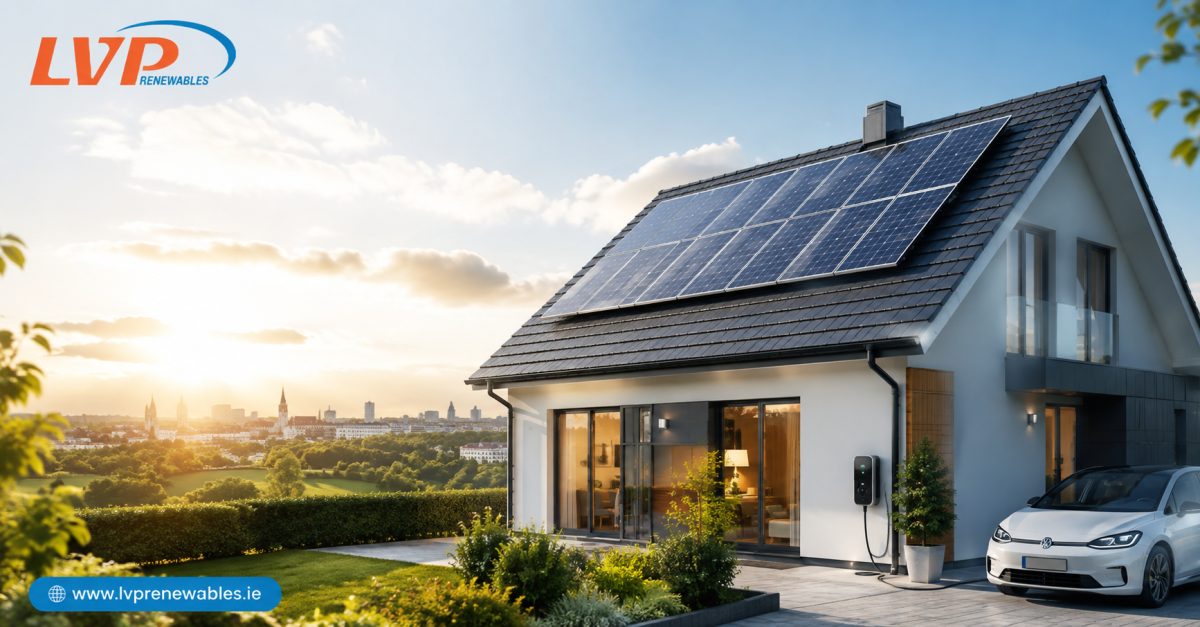
A solar photovoltaic system converts sunlight into electricity. The panels generate direct-current electricity, and an inverter converts it to alternating current for use in a building or connection to the grid. Rooftop systems can supply some of a home or business’s electricity, while larger installations can feed substantial power into the electricity network.
The sustainability benefit begins during operation. Solar technologies do not produce air pollution or greenhouse gases while generating electricity. Their wider climate benefit depends on which electricity sources solar output replaces at a given time. When it displaces generation from fossil fuels, it can help reduce emissions associated with electricity use.
1. Solar power can reduce greenhouse-gas emissions
Electricity generated from coal, oil and natural gas is associated with emissions during fuel extraction, transport and combustion. A solar PV system has a different emissions profile. Most of its life-cycle emissions occur before it generates electricity, particularly during material production and manufacturing. Once installed, it produces power without burning fuel.
That does not mean a solar panel has no environmental footprint. Rather, the initial manufacturing and installation impacts are spread across many years of electricity generation. The Energy cites studies showing that a PV system can generate an amount of energy equivalent to the energy used to manufacture it within one to four years. It also reports that many systems operate for 30 years or more. The exact energy payback and climate impact depend on panel technology, manufacturing, sunlight, system design and operating lifetime.
A well-performing installation can therefore keep generating electricity long after it has repaid the energy used to make it. For a homeowner or organization, this is one reason to look beyond the panel’s purchase price and consider expected lifetime output, maintenance, local grid emissions and the quality of the installation.
2. Solar helps improve local air quality
Solar panels generate electricity without on-site combustion. When solar energy reduces the amount of power needed from fossil-fuel generators, it can contribute to lower emissions of greenhouse gases and other air pollutants from electricity production. This is important for climate goals and can also support cleaner air in areas affected by power-plant pollution.
The effect is not identical everywhere. It depends on the local electricity mix and when the panels generate power. A solar installation connected to a grid that often relies on fossil-fuel generation may displace a different mix of power than a system in a region with abundant hydro, nuclear or renewable electricity. The environmental value of a project is strongest when its expected generation is compared with the energy sources it is likely to replace.
3. Rooftop solar uses existing built space
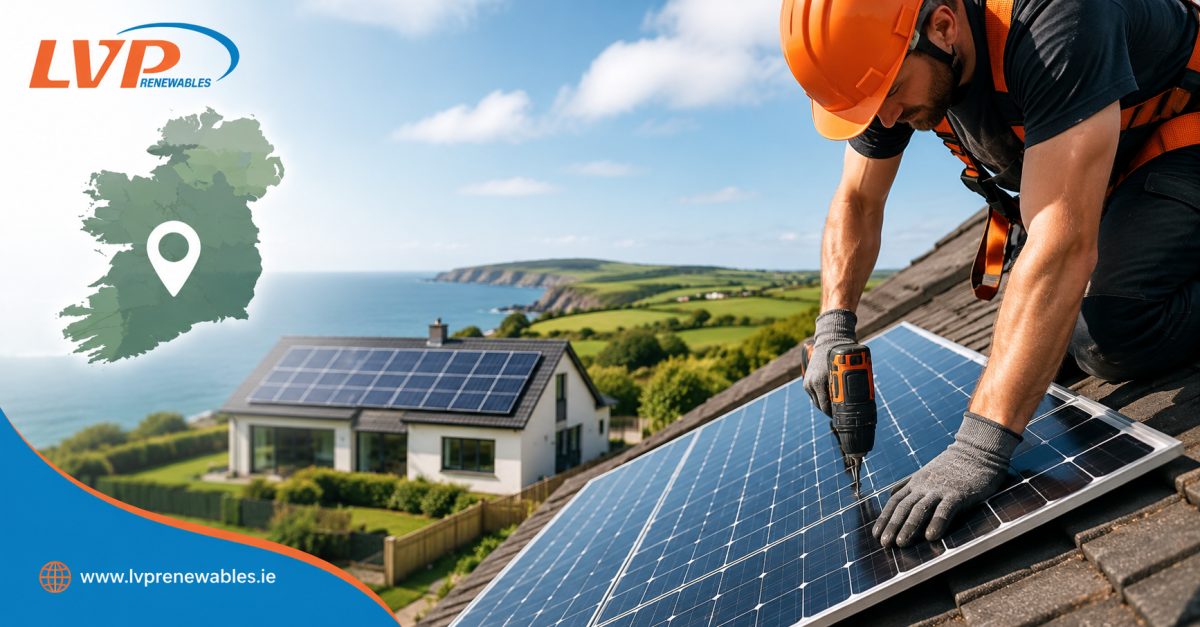
One practical sustainability advantage of rooftop solar is that it can use a surface that is already developed. Homes, offices, warehouses, schools and parking structures may host panels without converting undeveloped land into a power plant. Solar carports can also provide shade for vehicles while generating electricity, although each project must be designed around the site’s structure and electrical needs.
Not every roof is suitable. Orientation, shade, condition, structural capacity, local building rules and access for maintenance all affect feasibility. Still, making good use of rooftops and other built surfaces can help expand renewable electricity while limiting pressure on open land.
4. Solar can work alongside agriculture and nature
Large ground-mounted solar installations require land, and poor siting or construction can disturb habitats, soils and local ecosystems. Site selection, construction practices and ongoing management therefore matter. Solar and agriculture do not always have to compete for the same space. Agrivoltaics, also called dual-use solar, combines electricity generation with agricultural activity such as crop production, livestock grazing or pollinator habitat on the same site.
The Energy Department describes agrivoltaics as an active area of research. Well-planned co-location may support farm revenue diversification and reduce land-use conflicts, but outcomes depend on local crops, climate, panel layout and farm operations. It is not a universal solution for every farm or solar project.
Developers and communities can also consider disturbed land, brownfields, rooftops, parking areas and sites with lower ecological sensitivity. Early consultation with landowners and nearby communities helps identify concerns before construction begins.
5. Solar can strengthen energy resilience when designed for it
Rooftop solar can generate electricity close to where it is consumed. This distributed generation can add diversity to the power system and reduce the amount of electricity that must travel from distant plants. Solar may also be paired with batteries, controls and other distributed resources to provide backup for critical loads or support a local microgrid.
There is an important limitation: a standard grid-connected solar system usually shuts down during a grid outage for safety reasons. Solar panels alone do not necessarily keep a building powered when the grid is down. Backup operation requires compatible equipment, such as a properly configured inverter and, in many systems, battery storage.
Energy resilience is therefore a system-design question, not an automatic feature of installing panels. Households and organizations that need power during outages should discuss critical loads, battery size, islanding capability and backup duration with a qualified installer.
6. Solar can support more sustainable energy planning
Solar installations can help households, businesses and public facilities produce some of their own electricity. This can diversify energy sources and reduce exposure to changes in grid power prices, depending on local tariffs, system ownership, financing and utility rules. For businesses, solar may also help meet emissions targets and make electricity use more predictable over the long term.
However, financial savings are not guaranteed. Results depend on installation cost, sunlight, system size, financing, maintenance, electricity prices and compensation for power exported to the grid. A responsible proposal should explain assumptions and show estimated annual production, expected degradation, utility bill impact and payback calculations rather than promising a fixed saving for every site.

Why the full life cycle matters
Solar panels, inverters, mounting systems, wiring and batteries all have environmental footprints. Manufacturing requires materials and energy. Extracting and processing materials can affect land, water, communities and ecosystems. Regular inspection and repair can extend equipment life, while early failure or poor installation can create avoidable waste.
At end of life, panels should not simply be treated as ordinary household rubbish. The Energy Department reports that PV modules have an average operational lifespan that has increased to roughly 25–35 years in recent industry data, and that recycling processes exist for major module types. It also notes that recycling costs in the europe are often higher than disposal costs, which remains a practical barrier. Local regulations and recycling options vary by region.
Sustainable purchasing can include asking manufacturers and installers about product warranties, repairability, take-back programs, recycling routes and documentation for decommissioning. Where possible, repairing or repowering a system may preserve useful equipment and avoid replacing functioning components prematurely.
Steps toward a more sustainable solar installation
A solar project is more likely to deliver lasting value when it is designed around real energy needs and site conditions. Start by reviewing electricity use and identifying whether efficiency upgrades could reduce demand before adding generation. Then assess roof condition, shading, structural suitability, local permits, grid connection and the expected energy yield.
Compare proposals using the same assumptions. Look for clear equipment specifications, estimated annual production, warranty coverage, safety protections, maintenance expectations and end-of-life guidance. For ground-mounted systems, ask how the project will manage vegetation, erosion, stormwater, wildlife and land restoration. If resilience matters, confirm exactly what equipment is needed for backup operation.
The bigger picture
Solar installation contributes to a sustainable future by generating electricity without operational air pollution, helping reduce reliance on fossil-fuel power, making productive use of rooftops and supporting more diverse energy systems. The strongest projects also address land use, community needs, equipment longevity and responsible end-of-life management.
Solar is not a stand-alone answer to every energy challenge. It works best as part of a wider approach that includes energy efficiency, modern grids, storage where useful, responsible materials sourcing and thoughtful planning. With careful design and long-term stewardship, solar power can be a durable part of a cleaner and more resilient energy future.
FAQs
1. How does solar installation help the environment?
Solar panels generate electricity without producing air pollution or greenhouse gases during operation. When their output displaces fossil-fuel generation, they can help reduce emissions. Manufacturing, land use and end-of-life impacts should also be considered when assessing the full environmental footprint.
2. Are solar panels completely carbon-free?
No. Solar panels have life-cycle emissions from raw-material extraction, manufacturing, transportation, installation and end-of-life processing. Most PV emissions occur before operation, while the system generates electricity for many years. The exact life-cycle impact depends on technology, manufacturing and local sunlight.
3. Do solar panels work during a power outage?
A typical grid-connected solar system shuts down when the grid fails, partly for safety reasons. To supply electricity during an outage, the system needs compatible inverter equipment and usually battery storage or another approved backup configuration.
4. Does solar installation require clearing land?
Rooftop and parking-canopy systems can use existing built spaces. Ground-mounted solar does require land, but careful siting can reduce impacts. Agrivoltaics can combine solar with activities such as farming, grazing or pollinator habitat where site conditions make that practical.
5. What happens to solar panels at the end of their life?
Panels can sometimes be reused or recycled, but options and costs vary by location and product type. Check local regulations and ask the installer or manufacturer about take-back and recycling programs before installation. Planning for maintenance and end-of-life management helps reduce waste.