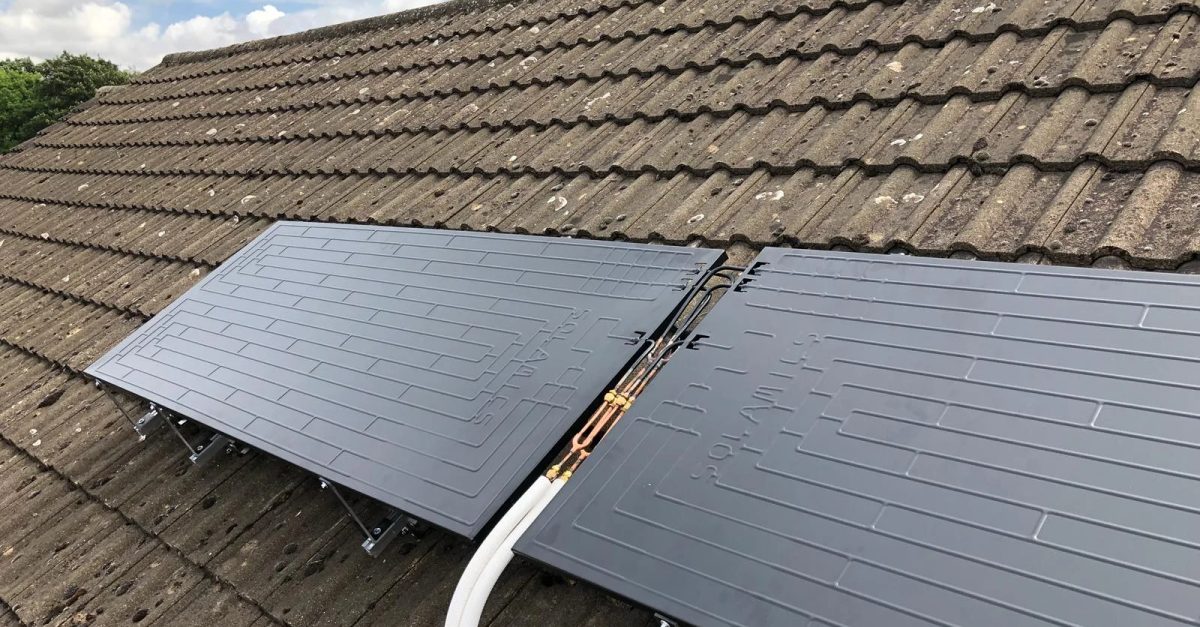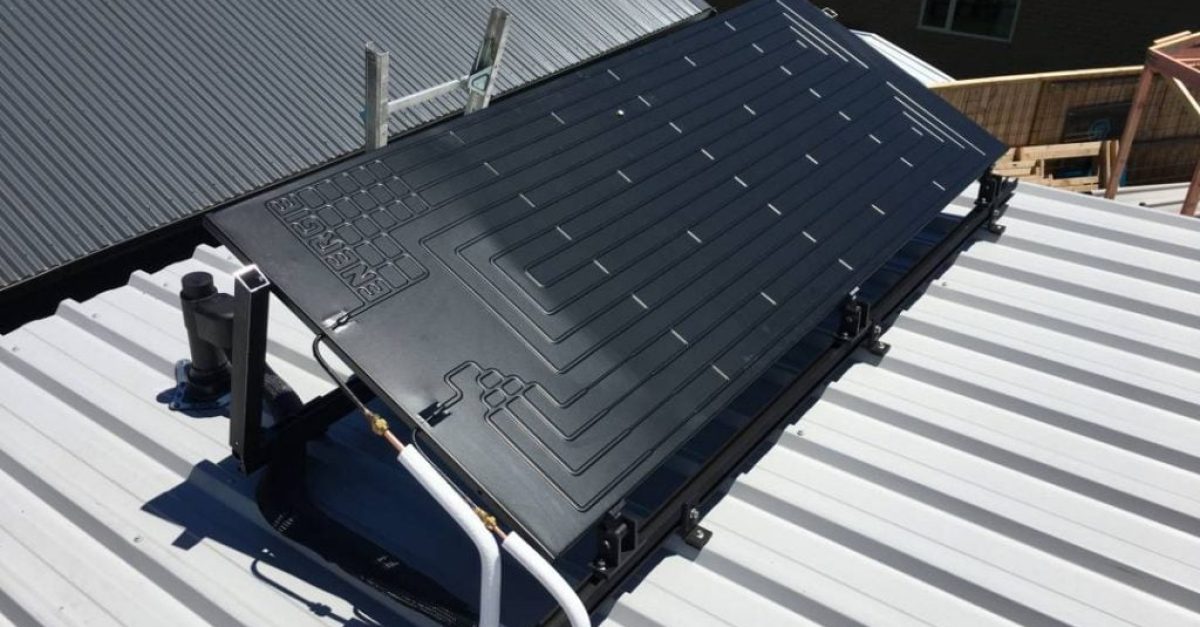
Heating water is a regular household expense. Showers, laundry, dishwashing and cooking all rely on hot water, and a conventional water heater may use electricity, natural gas, propane or another fuel every day. A solar water heater uses the sun’s thermal energy to heat water, helping reduce how much energy the home needs to buy from the grid or fuel supplier.
The exact savings depend on your climate, household hot-water use, roof or ground space, existing heater and local energy prices. ENERGY STAR says an ENERGY STAR-certified solar water-heating system can cut annual hot-water costs in half. That is a useful benchmark, not a guarantee—and it refers to the hot-water portion of the bill, not necessarily the entire monthly energy bill.
What is a solar panel water heater?
A solar water heater, also called a solar hot-water or solar-thermal system, uses collectors to absorb sunlight and transfer that heat to water. Most systems include solar collectors, pipes or a circulation loop, a storage tank, controls and a backup heater. The backup may be an existing electric or gas water heater, or a heating element or burner integrated into the system.
Solar water heaters are different from solar photovoltaic panels. PV panels produce electricity, which can power appliances or an electric water heater. Solar-thermal collectors capture heat directly and use it to warm water. Both can reduce reliance on purchased energy, but they do so through different equipment and have different costs, installation needs and output profiles.
How solar water heating works
When sunlight reaches the collector, an absorber warms up. In a direct system, household water flows through the collector and is heated before it enters a storage tank. In an indirect system, a heat-transfer fluid circulates through the collector and gives off its heat to household water through a heat exchanger. Indirect systems can use a non-freezing fluid, which makes them appropriate for locations where pipes may be exposed to freezing temperatures.
Some systems use electric pumps and controllers to move fluid between the collector and tank. These are known as active systems. Passive systems rely on natural circulation, such as gravity and convection, rather than pumps. The best option depends on the climate, building layout, water demand and local installation practices.
A well-sized storage tank holds heated water for later use, including periods when the sun is weak or has set. Most households still need backup heating for cloudy stretches, winter conditions or unusually high demand. Solar heating therefore reduces the work the conventional heater has to do; it does not necessarily eliminate that heater.
How solar water heaters can lower monthly energy bills
They reduce the energy needed from a conventional heater
A conventional water heater must supply most or all of the heat required to bring incoming water up to the desired temperature. A solar thermal system preheats or fully heats some of that water before it reaches the backup heater. When the incoming water is warmer, the backup unit uses less electricity or fuel to reach its set temperature. The amount saved rises or falls with available sunshine, household demand, system performance and the efficiency of the backup heater.
They use sunlight as a free heat source
After installation, sunlight does not come with a per-unit energy charge. This can provide a measure of protection from changes in electricity or fuel prices. However, the full financial picture includes the purchase and installation cost, any financing, maintenance, the backup energy still used, and the system’s useful life. A lower operating bill does not automatically mean the system pays for itself quickly.
They can make a noticeable difference in hot-water-heavy homes
Homes with several occupants, frequent showers, regular laundry or a large hot-water demand may have more opportunity to offset water-heating energy than homes that use little hot water. A solar water heater’s output should be sized around actual use. A system that is too small may contribute little during peak demand, while one that is oversized can add unnecessary cost and may need a design that manages excess heat safely.
They can make savings more predictable when paired with storage
A storage tank lets the system collect heat during sunny hours and use it later. The backup heater remains available when solar contribution is insufficient. Together, storage and backup can reduce reliance on the sun being available at the exact moment hot water is needed. Proper insulation of the tank and pipes is also important because lost heat must be replaced by the solar system or the backup heater.
What does “half off hot-water costs” mean for a bill?
It helps to separate water-heating costs from total household energy costs. If a home spends $60 per month on water heating, a 50% reduction in that component would mean about $30 less for water heating in an average month. It would not mean a 50% reduction in the entire electricity or gas bill, which also pays for space heating, cooling, lighting, appliances and other uses. The $60 example is illustrative; real bills and savings differ.
The most reliable estimate uses the home’s actual water-heating fuel use and tariffs, local solar conditions, system size and expected backup use. Ask the installer to show the assumptions behind the annual savings estimate, including seasonal performance. ENERGY STAR recommends assessing site conditions, system type and capacity, and consulting a qualified contractor before buying.
Factors that affect your potential savings
Sun exposure and location: Collectors need access to sunlight. Shade from trees, nearby buildings or roof structures can reduce heat output. Roof orientation and tilt matter, although a site assessment can determine whether a roof-mounted or ground-mounted design is practical. ENERGY STAR recommends checking that a proposed collector location receives strong sunlight and has a suitable structure.
Climate and freeze risk: Solar water heaters can be used in many climates, but the design must suit local weather. Direct systems are best suited to places where freezing is rare, while closed-loop indirect systems can protect the collector circuit with a non-freezing heat-transfer fluid. Freeze protection should be a core design requirement in cold regions.
Household habits: The number of occupants and how they use hot water affect both the size of the system and the savings available. A household with regular high demand may use more of the heat produced. Efficiency measures such as low-flow showerheads, fixing leaks and insulating accessible hot-water pipes can reduce demand further.
Existing equipment and energy rates: The type and efficiency of the current water heater influence the financial benefit. Homes that rely on expensive electricity or fuel for water heating may see greater bill reductions than those with very low-cost water heating. The remaining backup fuel use should be included in the estimate.
Installation and upkeep: The installed cost depends on system type, collector area, tank size, roof work, plumbing, controls and local labor. Solar thermal systems need periodic inspections and maintenance. Pacific Northwest National Laboratory notes that annual operations and maintenance costs are often estimated at 0.5%–2% of initial cost, depending on system type and design complexity; actual costs vary by project.
Is a solar water heater right for your home?
A solar water heater is worth investigating if your household uses a meaningful amount of hot water, your collector site receives good sunlight, and you plan to stay in the home long enough to benefit from lower operating costs. It may be less attractive if the roof is heavily shaded, roof repairs are due, the household uses little hot water, or installation costs are high relative to local energy prices.
Before requesting quotes, review recent energy bills and identify the fuel used by the water heater. Ask installers to size the system around real demand and explain its expected solar contribution, backup requirements, freeze protection, storage capacity, warranty and maintenance schedule. Check whether the proposed product is certified under a recognized standard and whether any local incentives are currently available. Incentives change over time, so confirm eligibility and dates with the relevant government or utility program rather than relying on an old estimate.
A solar water heater can be a practical way to reduce monthly energy costs by shifting part of the home’s water-heating load to sunlight. The most realistic expectation is not a zero bill, but lower energy use for hot water, with the backup heater covering the difference when needed. A site-specific quote and savings calculation can show whether the upfront investment makes sense for your home.
FAQs
1. How much can a solar water heater reduce monthly energy costs?
ENERGY STAR says a certified solar water-heating system can cut annual hot-water costs in half. Actual savings depend on climate, sunlight, household use, system design, backup heating and energy prices. The reduction applies to water-heating costs, not automatically to the entire energy bill.
2. Does a solar water heater work on cloudy days?
It may still collect some heat in diffuse sunlight, but its output is generally affected by weather and season. A storage tank and backup heater help provide hot water when solar heat is not enough. Ask the installer for expected seasonal performance at your location.
3. Are solar water heaters the same as photovoltaic solar panels?
No. Photovoltaic panels generate electricity. Solar-thermal collectors capture the sun’s heat and transfer it to water, usually through a circulation loop and heat exchanger. Both use solar energy, but they are separate technologies.
4. Do solar water heaters need a backup water heater?
Most households benefit from backup heating because sunlight varies and hot-water demand can peak when solar output is low. ENERGY STAR notes that certified systems are generally designed to work with an electric or gas backup water heater.
5. What maintenance does a solar water heater need?
Maintenance varies by system, but may include checking collectors for shade or damage, inspecting pipes and seals for leaks, checking pumps and controls, and monitoring tank condition and scale. Follow the manufacturer’s schedule and arrange inspections with a qualified solar-water-heating contractor.