Ireland’s renewable energy transition is often discussed in terms of national targets and large wind or solar farms. But communities also have a role to play. A local solar project can help a community building generate electricity, give residents a say in energy decisions, and connect local climate action with practical benefits such as lower energy use and stronger community facilities.
The phrase community solar can refer to several different arrangements. A community group might install panels on a shared building, develop a larger renewable electricity project, or participate in a local energy initiative. A nearby renewable project might also contribute to a community benefit fund without being owned by the community. These models are related, but they are not the same—and not every project automatically gives each resident a discount on their electricity bill.
What is a community solar project?
A community solar project is a solar energy initiative organised around a local community, its shared buildings or its members. Examples could include solar PV on a community centre, school, sports club or other shared facility. A larger project may be developed by a community organisation or partnership and sell electricity under an approved support or purchase arrangement.
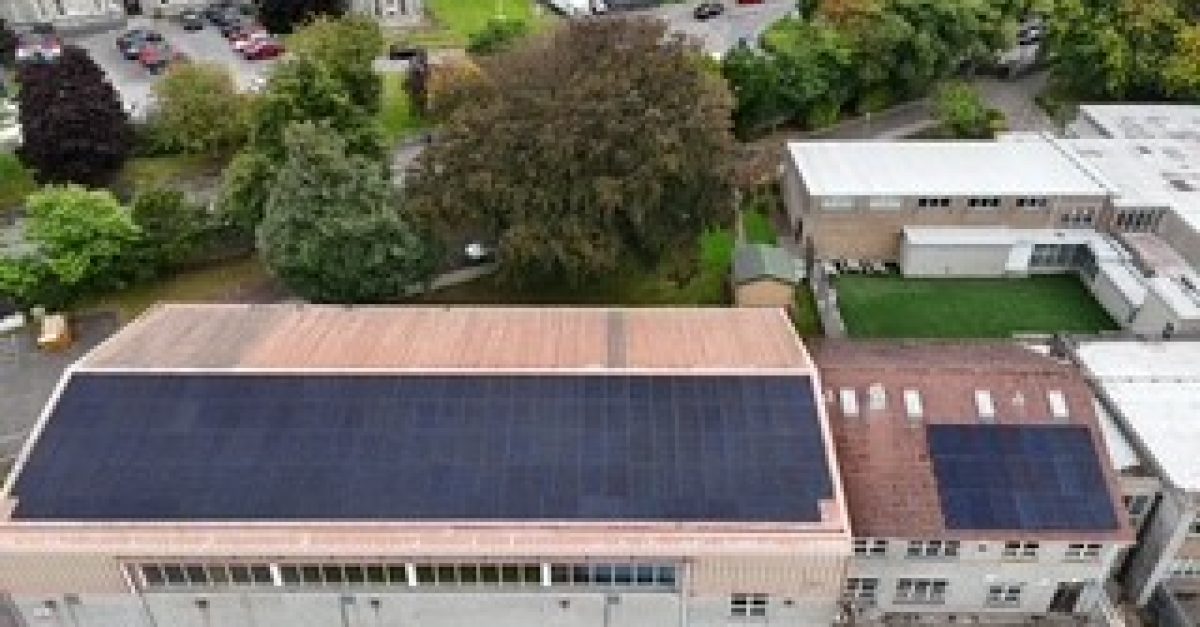
Some projects focus on using the electricity where it is generated. For example, panels on a sports hall may help power lighting, hot water or equipment during the day. Other projects may export electricity to the grid. The way residents participate, who owns the panels and how financial returns are used depend on the project’s legal, technical and commercial design.
Ireland’s community-energy landscape includes SEAI Sustainable Energy Communities, community grants for energy upgrades, small-scale renewable electricity support, and benefit funds attached to certain larger renewable projects. These are useful routes for local action, but each has its own eligibility and purpose.
Why community solar matters for Ireland
It adds renewable generation close to where people live and work
Solar PV on suitable rooftops and land can add to Ireland’s renewable electricity supply. Local generation can also help communities and organisations understand their energy use and take a more active role in the transition. It complements, rather than replaces, larger renewable projects and upgrades to the electricity network.
Ireland’s solar sector is expanding. In September 2026, the Department of Climate, Energy and the Environment announced that more than 200,000 homes had installed solar panels and that the country’s installed solar capacity was approaching 3.2 GW. These figures describe overall solar growth, not community-owned capacity, but they show the wider environment in which community-scale projects are developing.
It can improve shared community buildings
A community building with solar panels may use some of the electricity it generates on site. This can reduce the amount of electricity the organisation needs to buy, depending on the building’s operating hours, system size and energy demand. A sports club, library or community centre can also combine solar PV with improvements such as lighting, heating controls, insulation or battery storage as part of a broader energy plan.
SEAI’s Community Grant programme supports community projects that improve energy efficiency and reduce costs across homes, public and private organisations. Its supported measures can include building upgrades, technology and control improvements, and renewable energy integration. Projects are managed by registered project coordinators and are expected to demonstrate community benefits and a deliverable plan. This is not an automatic grant for every standalone solar farm, so groups should check the current scheme rules and eligible project route.
It gives residents a way to shape local energy priorities
SEAI’s Sustainable Energy Communities (SEC) network helps local groups move from an interest in energy to a plan of action. SEAI describes a Learn–Plan–Do approach: communities build knowledge and connections, create an Energy Master Plan with technical support, and then work to deliver suitable projects. SEAI says more than 1,000 communities are working through the network and that members can access a local mentor and €10,000–€25,000 in dedicated funding to develop an Energy Master Plan.
A master plan can look beyond solar panels. It may identify opportunities for energy efficiency, renewable heating, electric transport, controls and local generation. This is important because using less energy and improving a building can sometimes be as valuable as installing new generation.
It can help keep some benefits local
Community projects can create opportunities for local organisations to participate in decisions and to direct project income or support towards shared priorities. The specific benefits depend on who owns the project, how it is financed, the contracts in place and how the project distributes any returns. A project should explain these arrangements clearly before residents or organisations invest or commit.
There is also a separate model: Community Benefit Funds associated with renewable electricity projects supported under the Renewable Electricity Support Scheme (RESS) or Offshore RESS. SEAI says these projects must register a fund and contribute €2 per megawatt-hour of generation. Funds can support local social, environmental, economic or cultural initiatives, with examples including community facilities, scholarships, energy upgrades and access projects. A benefit fund is not the same as local ownership of the power plant, and it does not mean every household receives a direct electricity-bill credit.
How Ireland supports community-scale renewable projects
The Small-Scale Renewable Electricity Support Scheme (SRESS) is one route for certain smaller renewable electricity projects. Government information describes a self-consumption option for eligible projects above 50 kW and up to 1 MW, with grant support through the Non-Domestic Microgeneration Grant. Under this route, electricity can be used on site, with excess potentially stored or sold to a supplier. A separate export phase is designed for eligible export-only projects above 50 kW and up to 6 MW. The published terms and project requirements should be checked before a group builds its financial plan.
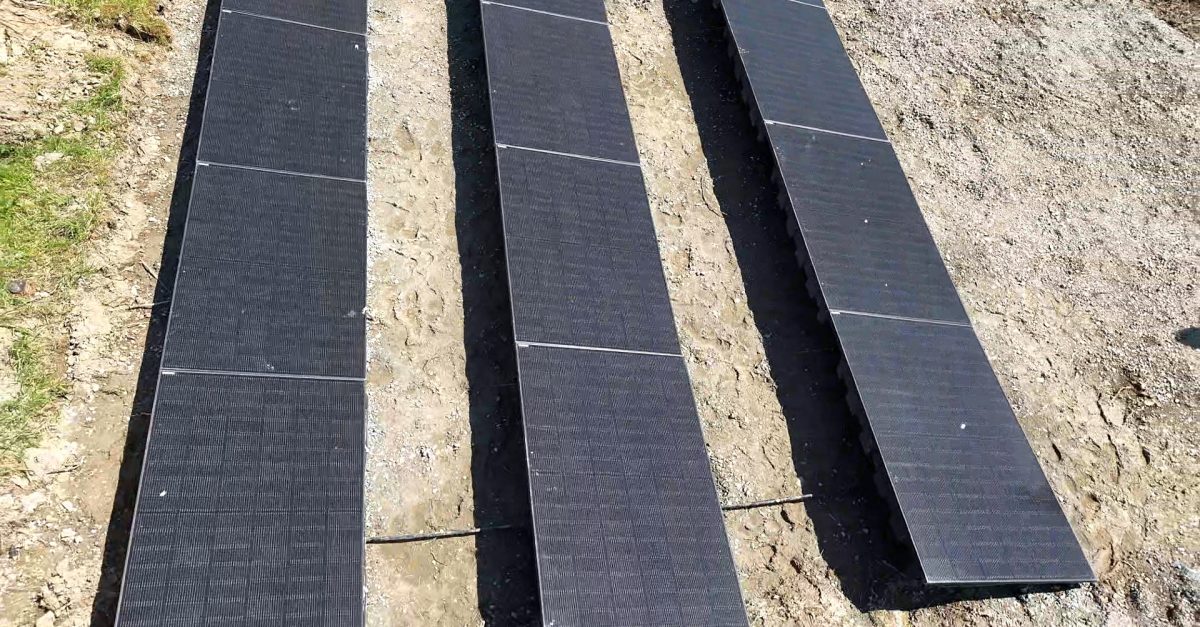
In September 2026, Ireland’s first solar project supported under SRESS was announced as energised: the 650 kW Meadhill Solar Farm in County Cork. Developed by a local farmer, the project was reported to generate enough electricity for around 150 local households annually while allowing sheep to graze around the panels. This is an example of a small-scale solar project supported by SRESS, not a community-owned solar scheme; it illustrates how smaller projects can contribute alongside rooftop and utility-scale solar.
Ireland is also exploring new approaches to renewable energy communities. In January 2026, the European research organisation EPRI announced Ireland’s participation in the INNO-TREC initiative, which aims to make renewable energy communities more accessible and examines how communities can produce, consume and share renewable energy. This is a developing initiative, so it should be understood as a pilot and learning opportunity rather than a guarantee that all residents can currently share electricity through a standard arrangement.

What a community solar project needs to succeed
A promising idea still needs a practical plan. A group should start by identifying the building or site, the people who will benefit and the energy problem the project is meant to solve. It should review energy bills and usage patterns, check roof or land suitability, and understand whether the electricity will be used on site, exported or shared through a specific arrangement.
The project should also identify who will own the equipment and who will be responsible for maintenance, insurance, safety and administration. If a community organisation is investing, it needs a transparent governance structure and a realistic way to manage costs and income. A technical assessment should consider roof condition, shading, structural capacity, system size, battery options, grid connection and planning requirements. Larger or ground-mounted projects may have different planning and grid requirements from rooftop solar on a shared building.
Funding and revenue need careful review. A grant, SRESS tariff, export payment or community benefit fund each has different eligibility rules. They should not be treated as interchangeable or assumed to apply to every project. Groups should confirm the current terms with SEAI, the relevant scheme administrator, ESB Networks and professional advisers before committing money.
How local groups can get started
A useful first step is to search SEAI’s Sustainable Energy Community network map and see whether a group already exists locally. If not, interested residents, community organisations and businesses can form a steering group, register with the network and work with an SEAI mentor. The group can then develop an Energy Master Plan and identify a short list of practical projects.
Next, bring together the right partners. A community centre, school, sports club, local authority, business or not-for-profit organisation may be able to contribute a site, energy data, project management or local knowledge. SEAI’s Community Grant programme emphasises partnership and coordination, while larger generation projects may require specialist technical, legal, financial and grid expertise.
For shared buildings and business sites, LVP Renewables lists commercial solar PV installations and battery-storage solutions, including work for schools and farms. Community groups considering rooftop solar can contact the company to discuss a site assessment and system proposal. The specific ownership, funding or electricity-sharing model should be confirmed separately for each project.
Community solar can support a fairer energy transition
Community solar projects can connect renewable electricity with local participation. They can help shared buildings use cleaner power, support broader efficiency upgrades and give communities a structured way to plan for future energy needs. Ireland’s SEC network, community grants, SRESS and RESS Community Benefit Funds provide different forms of support, but the right route depends on what a group wants to build and who it wants to benefit.
The strongest projects begin with local priorities, clear governance and realistic technical and financial assessments. By combining good planning with transparent participation, community solar can become one part of a more resilient and inclusive renewable energy future for Ireland.
Frequently Asked Questions
What is community solar in Ireland?
Community solar describes solar projects organised around a community or shared facility. It may involve rooftop PV on a community building, a locally developed generation project or a project that contributes to a community benefit fund. Ownership and how electricity or revenue is shared vary by project.
Can residents get a direct discount on their electricity bill?
Not automatically. Some projects may use power on site or have an agreed financial arrangement, but a community benefit fund is different from a bill credit. Residents should ask how the project allocates electricity, income and costs before joining or investing.
What support is available to start a community energy project?
SEAI’s Sustainable Energy Communities network offers mentoring and support to develop an Energy Master Plan. SEAI’s Community Grant programme may support eligible coordinated energy-efficiency projects that can include renewable energy integration. SRESS and RESS funds apply to specific project types and have separate rules.
What is a RESS Community Benefit Fund?
It is a fund that eligible RESS and ORESS renewable projects must register and support. SEAI states that the contribution is €2 per megawatt-hour generated. Funds support local initiatives, but they are not the same as community ownership or a guaranteed payment to every resident.
How can my community begin planning a solar project?
Check whether a local Sustainable Energy Community already exists, form a steering group, register with SEAI and speak with a community mentor. Then assess local energy use, suitable sites, ownership and funding options, planning, grid connection and long-term maintenance before committing to a design.