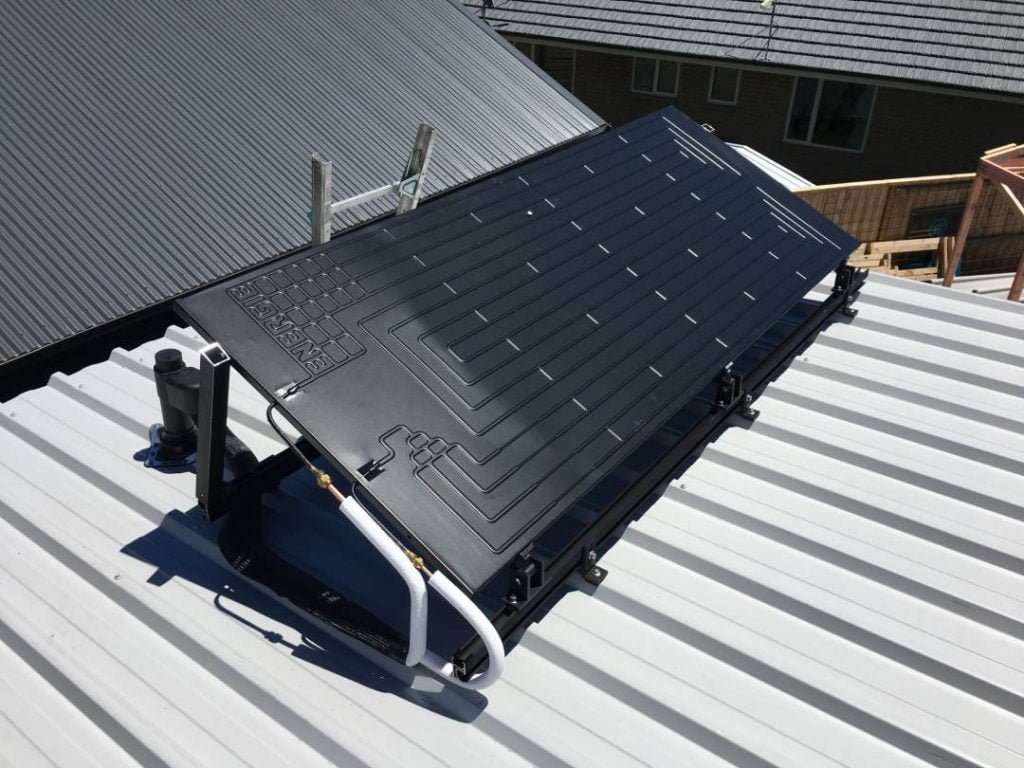
Solar PV and thermodynamic panels are designed to do different jobs. Solar PV panels generate electricity for household appliances, lighting and other electrical loads. A thermodynamic hot-water system uses a heat-pump cycle to heat water, drawing heat from the surrounding air and using electricity to run its compressor. So, if your priority is producing electricity, PV is the relevant option. If you want a dedicated hot-water system, compare a thermodynamic system with a conventional solar-thermal system and other heat-pump water heaters.
There is no single best choice for every Irish home. The right option depends on your hot-water use, existing boiler and cylinder, electricity consumption, roof and outdoor space, installation costs and available grants. It also helps to know that “solar hot-water panel” can refer to more than one technology. SEAI distinguishes photovoltaic modules, which produce electricity, from solar-thermal collectors, which use the sun’s energy to heat water.
What are solar PV panels?
Solar photovoltaic panels convert daylight into direct-current electricity. An inverter changes that electricity into the alternating current used by most home appliances. You can use the electricity as it is generated, store surplus electricity in a compatible battery, divert some of it to an immersion heater, or export eligible excess electricity to the grid.
A key advantage of solar PV is flexibility. The electricity is not limited to one task: it can support your home’s general electrical demand. Depending on your setup, it may also contribute to an electric vehicle charger, a heat-pump system or water heating through an immersion diverter. SEAI notes that excess PV electricity can be directed to an immersion tank or stored in a battery.
PV output changes with the season, time of day, location and panel direction. SEAI estimates that a well-located domestic PV system of around 3 kW can generate about 2,600 kWh of electricity in a year. It also notes that roughly 75% of Irish solar PV generation occurs from May to September, with the greatest output around the middle of the day. That means solar PV can help with hot water, but output will not be even across the year. A backup source may still be needed, especially during darker months or when the household uses more hot water than the panels can support.
What are thermodynamic panels?
A thermodynamic solar panels system is a type of heat-pump water heater. A refrigerant circulates through an outdoor panel or collector and absorbs heat from the surrounding air. A compressor, powered by electricity, raises the refrigerant’s temperature. The system then transfers heat into a hot-water cylinder through a heat exchanger.
The heat-pump principle is different from generating heat directly with electricity. A heat pump transfers heat from its surroundings and can deliver more heat energy than the electrical energy it consumes, although its actual performance depends on the system and operating conditions. Thermodynamic panels therefore still use electricity. Their running costs depend on factors such as the amount of hot water used, electricity price, system controls, outdoor conditions and the product’s measured efficiency.
The word “solar” in the product name can be confusing. A thermodynamic panel system is not the same as a PV module, because it does not generate household electricity. It is also not identical to a conventional solar-thermal collector, which captures the sun’s energy and transfers it to water. SEAI describes conventional solar-thermal systems as collectors that use solar energy to heat domestic hot water.

How does conventional solar thermal compare?
Conventional solar thermal is a third option worth understanding when comparing solar PV vs. thermodynamic solar in Ireland. Solar-thermal collectors capture energy from the sun and transfer it to water stored in a cylinder. SEAI says a typical well-installed system can supply up to 60% of a home’s annual hot-water demand, depending on system size and the building’s demand. The existing boiler or another heating source normally remains available to top up the water when solar heat is insufficient.
Solar thermal and thermodynamic systems can both be designed to heat water, but they work differently. Solar thermal relies on collecting solar energy. A thermodynamic system uses a heat-pump cycle to extract heat from outdoor air and requires electricity to operate its compressor. Ask an installer to name the exact technology being quoted rather than relying on broad phrases such as “solar hot water panels.”
Which system is better for your home?
Choose solar PV if you want to generate electricity
Solar PV is usually the more versatile choice if your main goal is to reduce the amount of electricity you buy from your supplier. It can serve multiple household uses, and you can consider an immersion diverter to use spare daytime generation for hot water. It may suit households that have daytime electricity demand, plan to install an EV charger or want the option of adding battery storage later.
PV savings depend on how much generated electricity you use yourself, the amount exported, your electricity tariff and the system’s actual output. A battery can shift some daytime generation to evening use, but it adds to the installation cost and some energy is lost during battery charging and discharging. A battery is not automatically the best financial choice for every household.
Consider a thermodynamic system if hot water is the main goal
A thermodynamic water heater may be worth comparing if the priority is a dedicated way to heat domestic hot water and the property has a suitable place for the equipment and cylinder. It may be particularly relevant where the current water-heating setup is due for replacement. However, the system still consumes electricity, so ask for estimated annual electricity use and hot-water output for your household rather than relying on general claims that it will cover all hot-water needs in every home or weather condition.
Check practical details before deciding. Ask where the panel and cylinder will be installed, whether the cylinder is compatible with your plumbing, what sound the equipment makes, what maintenance is required, and how the system performs in the conditions specified by the manufacturer. Compare the quote with alternatives such as a PV system with an immersion diverter or a dedicated heat-pump water heater.
Consider solar thermal if you want sunlight to heat water directly
A conventional solar-thermal system may be suitable if you want to use solar energy specifically for domestic hot water and have room for a compatible cylinder and collectors. SEAI’s guidance describes this technology and provides a grant for eligible solar-thermal installations. The household still needs a backup water-heating source for periods when the collector does not provide enough heat.
Can solar PV provide both electricity and hot water?
Yes. A home can use solar PV to produce electricity for everyday loads and direct excess generation to an immersion heater with a compatible diverter. This can make use of electricity that might otherwise be exported. A household may also combine PV with a heat-pump water heater, subject to system compatibility and good controls.
The key is to compare the whole system rather than treating every panel as if it produces the same output. PV makes electricity that can serve different purposes. A solar-thermal collector supplies heat to water. A thermodynamic system uses a heat pump to move heat from outdoor air and needs electricity for the compressor. The best match depends on what energy service your home needs most and how much each proposed system costs to install and run.
SEAI grants in Ireland: check the technology and eligibility
SEAI currently lists a domestic Solar PV grant of up to €1,800 for eligible standard applications, with a separate €600 battery grant also available for qualifying systems. SEAI’s solar-water-heating grant page lists €1,200 for an eligible solar-thermal installation. The published eligibility rules include property and installer requirements, and applications generally need approval before work starts.
Do not assume that a product marketed as “thermodynamic solar” automatically qualifies for the solar-thermal grant. The grant guidance refers to solar-thermal systems, while a thermodynamic panel hot-water system operates as a heat pump. Ask SEAI or the registered contractor to confirm in writing whether the specific model and installation are eligible before including grant money in your budget. Grant values and conditions can change, so check the current SEAI pages before committing to work.
Questions to ask before you get a quote
Before choosing solar PV, thermodynamic panels or solar thermal, ask for an itemised quote and clear performance estimates. Find out what is included in the equipment and installation price, what annual electricity generation or hot-water contribution is forecast, and what assumptions were used. Ask how the system will interact with your existing boiler, cylinder, immersion heater, battery or EV charger.
Request details about warranties, expected maintenance, replacement parts and any additional electrical or plumbing work. For PV, ask about estimated annual generation for your roof and how much of the electricity may be used in the home. For a hot-water heat pump, ask for its expected electricity consumption and performance at the operating conditions relevant to your home. For solar thermal, ask what portion of hot-water demand the design is expected to meet and what backup heating will remain.
FAQs
What is the main difference between solar PV and thermodynamic panels?
Solar PV panels generate electricity from daylight. Thermodynamic hot-water panels form part of a heat-pump system that uses electricity to move heat from outdoor air into a water cylinder. They have different outputs and should not be compared as though they perform the same job.
Can solar PV panels heat my hot water?
Yes. A compatible immersion diverter can send surplus PV electricity to an immersion heater in the hot-water cylinder. The amount of water heated this way depends on solar generation, household electricity use and the size and controls of the system.
Do thermodynamic panels work without electricity?
No. The system uses electricity to run its compressor and controls. It transfers heat from the surrounding air rather than creating all the heat from electricity alone, but its running cost still depends on electricity use and the system’s performance.
Are thermodynamic panels the same as solar thermal panels?
No. Solar-thermal collectors capture solar energy and transfer it to water. Thermodynamic panels are part of a heat-pump water-heating system that extracts heat from outdoor air and uses an electrically powered compressor. Ask for the exact system type in writing when comparing quotes.
Is there an SEAI grant for thermodynamic panels in Ireland?
SEAI publishes grants for solar PV and for solar-thermal water heating, with specific eligibility rules. Do not assume a thermodynamic heat-pump system qualifies under either category based only on its marketing name. Confirm eligibility for the exact model and installation with SEAI or the registered contractor before applying.