The SEAI domestic Solar PV grant is currently available up to a maximum of €1,800 for eligible homes. The grant is calculated at €700 per kWp for the first 2 kWp, followed by €200 for each additional kWp up to 4 kWp. Grant approval must be received before installation work begins. Check the latest eligibility rules directly with SEAI.
To qualify, the property must meet the current SEAI conditions, including having an MPRN, being built and occupied before 2021, and not having received previous solar PV funding at that MPRN. Once grant approval is issued, the approved works and required documentation generally need to be completed within eight months. Use an SEAI-registered solar PV company and confirm the current scheme rules before signing a contract.
Solar Panel Cost by System Size in Ireland
A solar PV system is priced by its generating capacity, measured in kilowatt-peak (kWp), rather than by the number of panels alone. The final quotation may also include the inverter, mounting system, electrical protection, labour, commissioning, scaffolding, and other roof or access work.
The table below is a planning guide only. Actual prices vary depending on roof layout, panel specification, inverter, installation complexity, electrical work, and whether you add a battery or other equipment.
Lower electricity use or limited roof space:
- Indicative PV size: 2–3 kWp
- Approximate panel count: 5–8 panels
- Typical cost before grant: €4,500–€7,000
- Typical cost after maximum SEAI grant: €2,900–€5,200
Typical family home:
- Indicative PV size: 4–5 kWp
- Approximate panel count: 9–13 panels
- Typical cost before grant: €7,000–€10,500
- Typical cost after maximum SEAI grant: €5,200–€8,700
Higher electricity use, heat pump, or EV:
- Indicative PV size: 6 kWp or more
- Approximate panel count: 14–16+ panels
- Typical cost before grant: €9,500–€14,000+
- Typical cost after maximum SEAI grant: €7,700–€12,200+
Panel count depends on the wattage of the selected panels. 400–450 W panels are common, but product specifications vary.
The maximum domestic SEAI Solar PV grant is currently €1,800 for an eligible system. Your quotation should clearly state whether the price is before or after the grant.
Smart Energy Flow Calculator
See exactly where every kilowatt goes. The most detailed and transparent solar calculator in Ireland.
Heats water 365 days a year day & night (Independent of PV)
What Is Included in a Solar PV Installation Price?
A complete solar PV installation price normally covers the panels, inverter, roof mounting equipment, cabling, protection devices, labour, commissioning, and the paperwork required to connect the system. Some quotations may also include system monitoring, a workmanship warranty, and grant administration.
Ask for an itemised written quotation. It should state the panel brand and wattage, inverter model, estimated annual generation, system size, scaffolding or access charges, electrical upgrades, warranties, payment schedule, maintenance arrangements, and whether the SEAI grant has already been deducted. Comparing itemised quotations is more useful than comparing a single headline price.
Worked Example: Solar Panel Cost for a Typical Irish Home
Consider a three-bedroom home using approximately 4,200 kWh of electricity per year. A survey might recommend a system of around 4 kWp, subject to roof orientation, shading, available roof area, and the household’s daytime electricity use.
For illustration, assume an installed price of €8,000 before the grant. If the home is eligible for the maximum €1,800 SEAI Solar PV grant, the estimated price after the grant would be €6,200.
The actual bill reduction depends on how much solar electricity the household uses directly, how much is exported, the electricity tariff, and the system’s real generation. This is an example, not a fixed LVP price. A property survey is required before confirming the system size, price, or payback period.
Additional Factors That Affect Solar Panel Costs
The largest cost driver is system size. A home with high electricity use, an electric vehicle, or a heat pump may need more generation capacity than a smaller home.
Roof orientation and shading affect both the system design and the expected output. A south-facing roof is often favourable, but east- and west-facing roofs can also work well because they can produce electricity during useful morning and afternoon hours. Chimneys, trees, dormer windows, nearby buildings, roof condition, and roof accessibility should be assessed before installation.
Equipment quality also matters. Panel wattage and efficiency affect the number of panels required. The inverter converts the electricity generated by the panels into electricity that can be used in the home. It may need replacing before the panels themselves. A higher-priced system can offer better long-term value if it includes suitable equipment, strong warranties, reliable monitoring, and high-quality workmanship.
Optional equipment increases the upfront price. Common additions include a battery, hot-water diverter, EV charger, optimisers, scaffolding, roof repairs, and consumer-unit or electrical upgrades. Ask for these additions to be priced separately so you can decide which options provide value for your home.

Is a Solar Battery Worth the Extra Cost?
A solar battery stores electricity generated during the day so it can be used later, such as in the evening. Battery prices vary depending on usable capacity, brand, inverter compatibility, installation complexity, warranty, and whether the battery is installed with a new or existing PV system. As a planning allowance, a solar battery may cost approximately €2,000–€7,000, but your quotation should show the exact usable capacity and total installed price.
A battery is not automatically the best financial choice for every home. It may be more useful where evening electricity demand is high, daytime self-consumption is low, or backup capability is important. Before choosing one, compare the additional cost with the value of avoided electricity imports and any payment for exported electricity. Ask whether the quoted capacity is usable capacity, what the warranty covers, and whether the battery can be expanded later.
How Much Electricity Can Solar Panels Generate in Ireland?
Annual generation depends on system size, roof direction, roof pitch, shading, local weather, panel temperature, and inverter losses. A system’s kWp rating is not the same as the amount of electricity it will produce every year.
A properly designed 4 kWp system can generate a meaningful share of a typical home’s annual electricity, but output is seasonal. Production is generally higher in spring and summer and lower in winter. Ask your installer for an estimated annual kWh figure and the assumptions behind it. A reliable estimate should account for roof orientation and shading rather than relying only on the system’s nominal size.
Solar panels use daylight rather than only direct sunshine, so they can still generate electricity during cloudy weather. However, output will usually be lower on darker winter days than during bright summer periods.
How Solar Savings and Payback Should Be Calculated
A simple planning formula is:
Estimated payback period = net installation cost ÷ estimated annual financial benefit.
The annual financial benefit should include the value of solar electricity used in the home and, where applicable, payment for electricity exported to the grid. It should not assume that every unit generated replaces a full-price unit imported from the grid. Savings are usually higher when electricity is used during daylight hours or stored in a suitably sized battery.
Electricity prices, export rates, household usage, system degradation, maintenance, finance interest, and inverter replacement can all change the result. Ask your installer to provide a generation estimate and explain the assumptions behind any five- to seven-year payback estimate.
Microgeneration and Payment for Exported Electricity
If a solar PV system generates more electricity than the home is using, the excess may be exported to the grid. Under Ireland’s microgeneration arrangements, electricity suppliers pay for metered exported electricity in line with their current terms. The payment may appear as a credit on the electricity bill or on a separate statement.
Export payments depend on the supplier, tariff, and metered quantity exported. Therefore, do not use a fixed export rate in a payback calculation unless the rate is current and linked to the relevant supplier tariff.
For systems below the relevant threshold, the registered installer generally submits the NC6 notification to ESB Networks. Ask your installer how grid notification, commissioning, and completion documentation will be handled as part of the project.
Solar Panel Maintenance, Warranties and Lifespan
Solar PV systems are designed for long service, but they are not completely maintenance-free. Keep the panels clear of persistent debris, monitor the system for unusual drops in production, and arrange an inspection when recommended by the installer or manufacturer. Inverters and other electrical components may need attention before the panels reach the end of their useful life.
Most panels carry a long performance warranty, but warranties differ between manufacturers and installers. Compare the panel product warranty, performance warranty, inverter warranty, battery warranty, and installer workmanship warranty separately. Your quotation should explain who handles a warranty claim and whether call-out or replacement labour is included.
Quality solar panels commonly have performance warranties of around 25–30 years, although output gradually decreases over time. The inverter, battery, and other system components may have different warranty periods and replacement timelines.
Planning Permission and ESB Networks Connection
Many standard domestic roof-mounted solar installations can be completed without a conventional planning application, but permitted-development conditions and property-specific restrictions can apply. Protected structures, architectural conservation areas, apartment buildings, unusual roof arrangements, and local restrictions may require additional checks. Confirm the position for your specific property before work begins.
Your installer should explain the ESB Networks notification process and provide the required completion documentation. Planning permission and grid connection requirements should be clearly addressed in the written quotation rather than treated as assumptions.
Solar PV or Solar Thermal: Which System Do You Need?
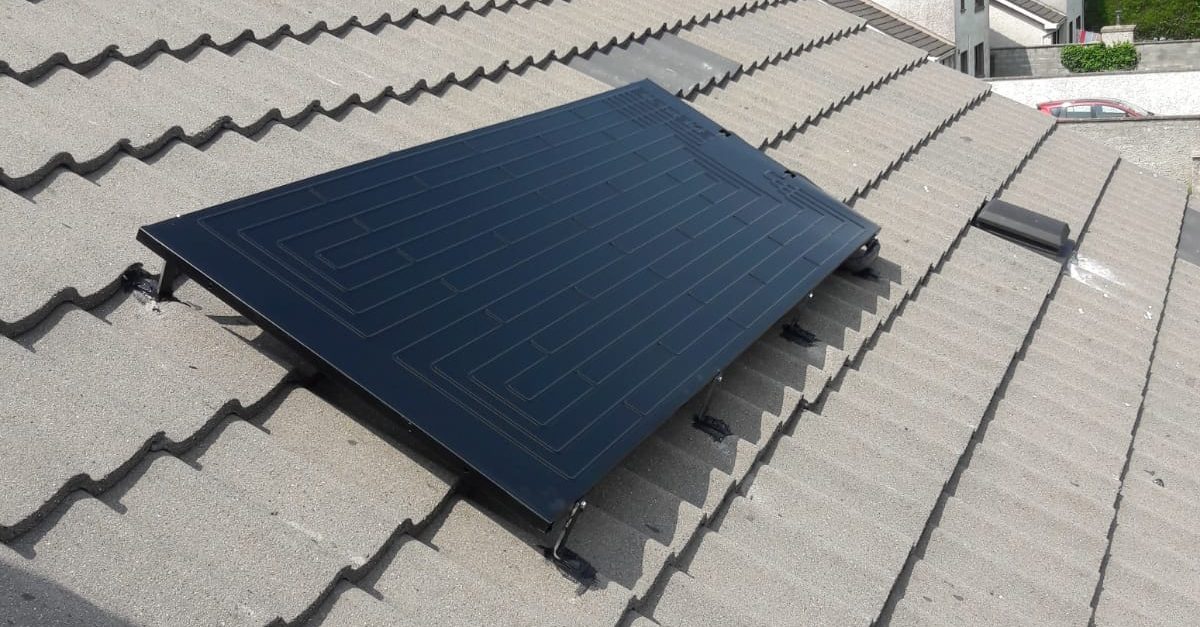
Solar PV panels generate electricity for appliances, lighting, heating equipment, batteries, and electric vehicle charging. Solar thermal systems use solar energy to heat domestic hot water. They are different technologies with different equipment, installation costs, maintenance requirements, and savings patterns.
If your main goal is to reduce electricity purchases or charge an electric vehicle, solar PV is usually the relevant system to investigate. If your main goal is domestic hot-water production, solar thermal may be relevant. A qualified survey should match the technology to your home’s existing heating and hot-water system.
Frequently Asked Questions About Solar Panel Costs in Ireland
How Much Do Solar Panels Cost in Ireland in 2026?
A typical domestic solar PV installation often falls in the broad range of €6,000–€9,000 after an eligible SEAI grant, but smaller systems can cost less and larger or more complex systems can cost considerably more. The reliable price is an itemised quotation based on the property and the household’s electricity use.
What Is the Maximum SEAI Solar Panel Grant?
The current maximum domestic SEAI Solar PV grant is €1,800. It is calculated at €700 per kWp for the first 2 kWp and €200 for each additional kWp up to 4 kWp. Grant approval must be received before work starts.
How Many Solar Panels Does an Irish Home Need?
Many homes use approximately 6–16 panels, but the number depends on panel wattage, electricity demand, roof space, orientation, shading, and whether the home has an EV or heat pump. A panel count without a system-size and generation estimate is not enough to compare quotations.
Are Solar Panels Worth It in Ireland Despite Cloudy Weather?
Solar panels use daylight rather than only direct sunshine, so they can generate electricity in Ireland’s cloudy climate. Whether they are financially worthwhile depends on the net price, expected generation, electricity usage, export arrangements, roof condition, and how long the homeowner expects to stay in the property.
Is a Solar Battery Worth the Extra Cost?
A battery can increase the amount of solar electricity used in the home, especially when demand is higher in the evening. It adds cost and does not suit every household. Compare its usable capacity, warranty, expected cycling, backup capability, and additional payback period before deciding.
How Long Do Solar Panels Last?
Quality solar panels commonly have performance warranties of around 25–30 years, although output gradually decreases over time. The inverter, battery, and other components may have different warranty periods and replacement timelines.
Do Solar Panels Need Planning Permission in Ireland?
Many standard domestic roof installations fall under planning exemptions, but conditions and property-specific exceptions apply. Check the current planning rules for the property, particularly for protected structures, conservation areas, apartments, and unusual installations.
Can I Get Paid for Surplus Solar Electricity?
Yes, exported electricity can be paid under Ireland’s microgeneration arrangements when it is metered and the relevant supplier conditions are met. The payment rate varies by supplier and tariff. Use the current supplier terms rather than an undated rate in a payback calculation.
What Should a Solar Quote Include?
A quote should identify the system size, panel and inverter models, estimated annual generation, total price, grant treatment, scaffolding and electrical work, warranties, payment terms, commissioning, grid notification, monitoring, and any ongoing maintenance cost.