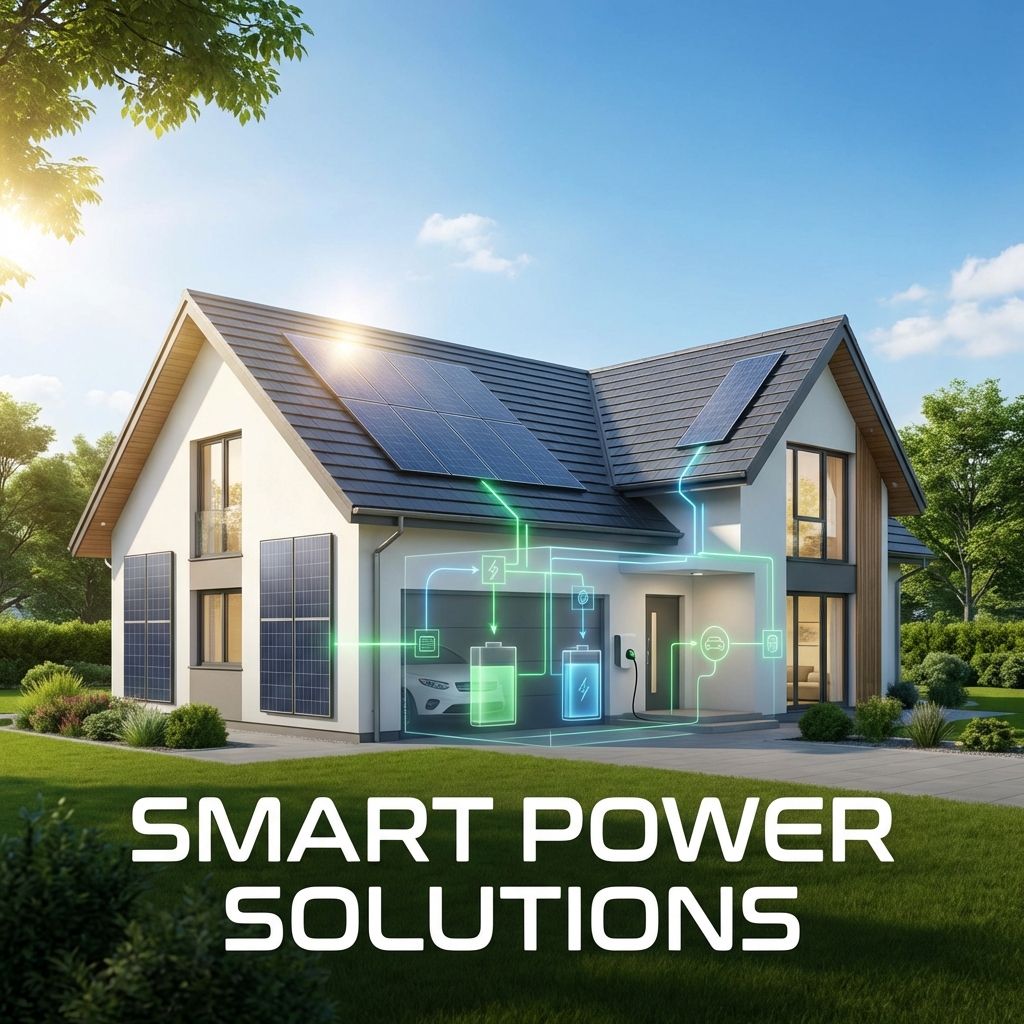
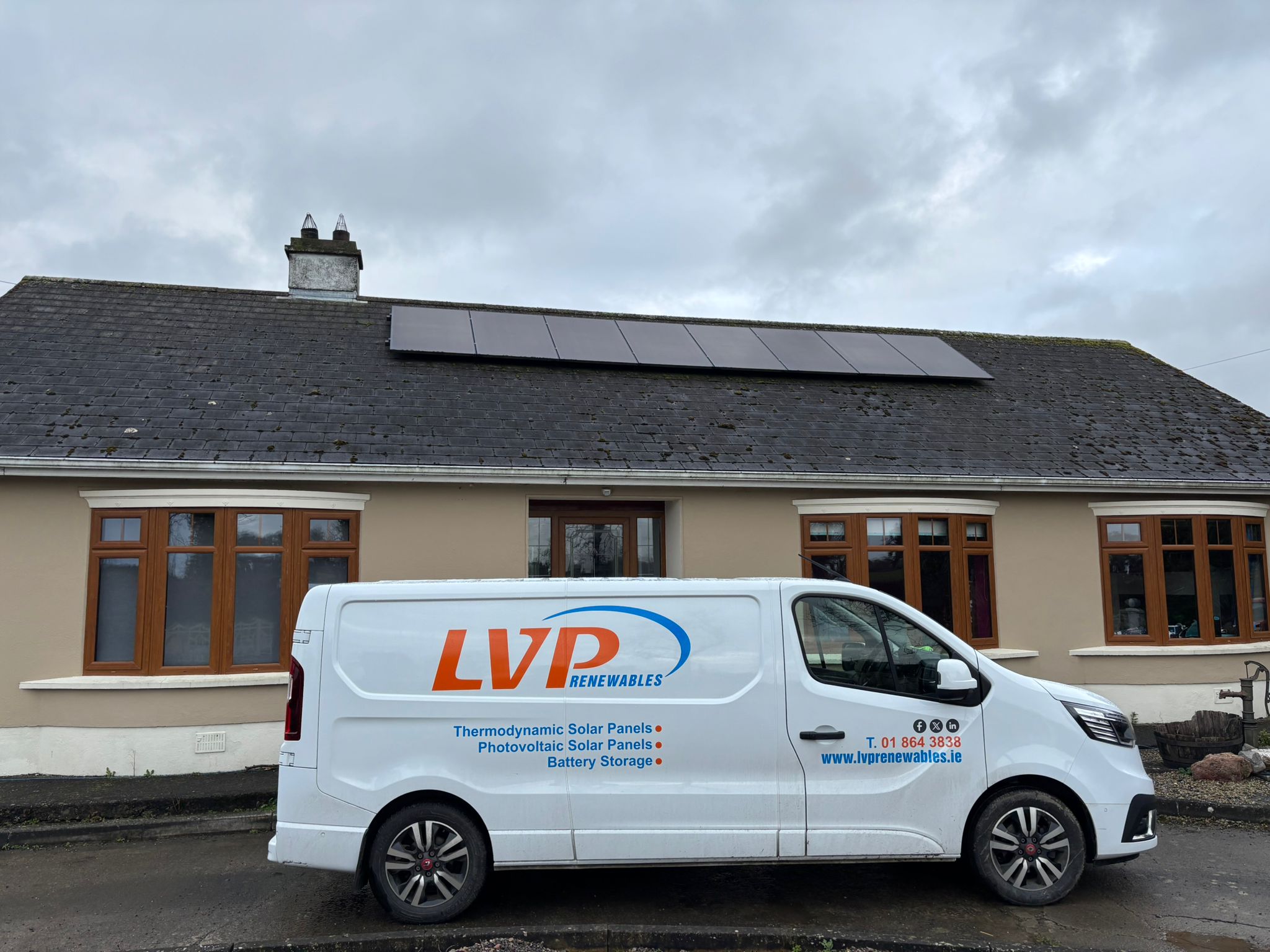
Custom solar systems designed to match your specific energy needs and roof structure.
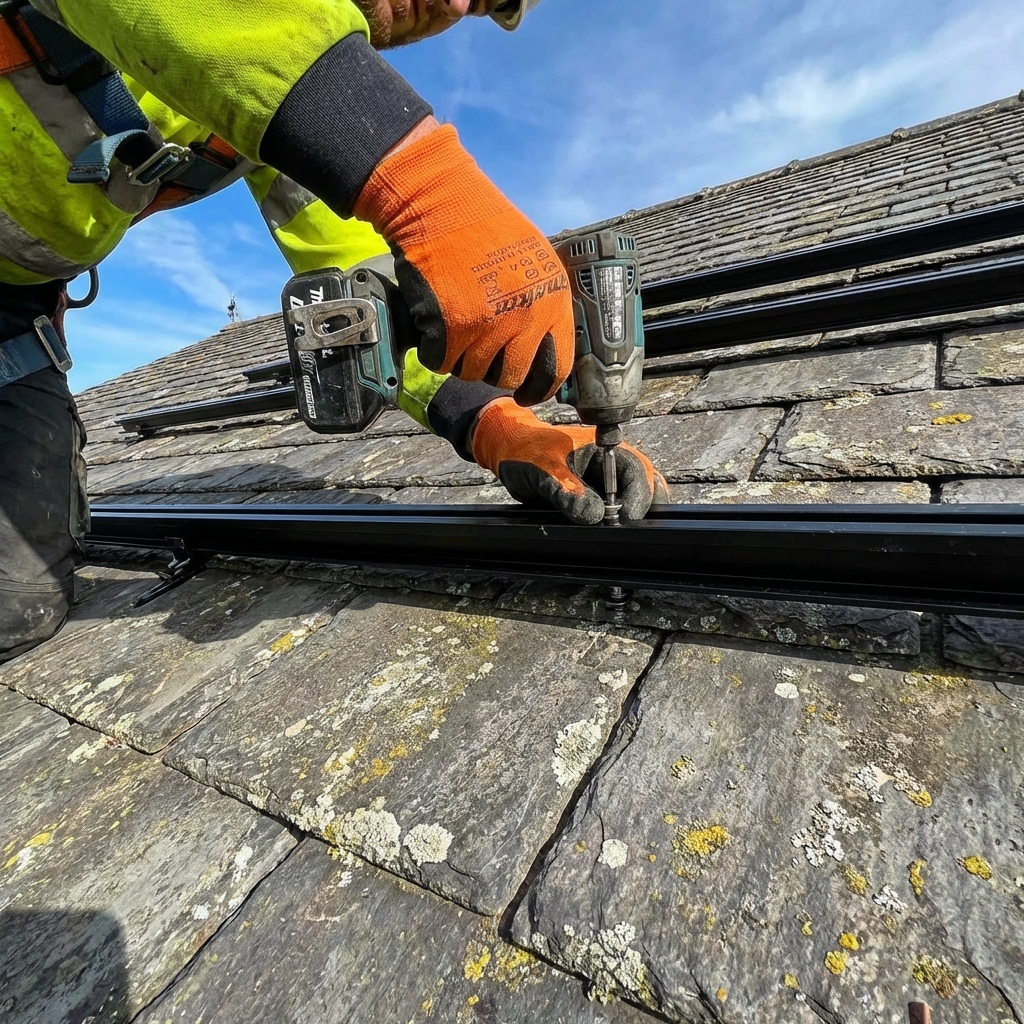
Our fully qualified and insured team ensures a safe, efficient, and tidy installation.
We use only top-tier, high-efficiency panels to ensure maximum energy generation.
We are available 8am-8pm Mon-Fri and 9am-5pm Sat-Sun.
Years Experience
Installations
Why Choose LVP Renewables?
We prioritize quality and customer satisfaction above all else. We work closely with our clients to understand their specific needs and design custom solutions.
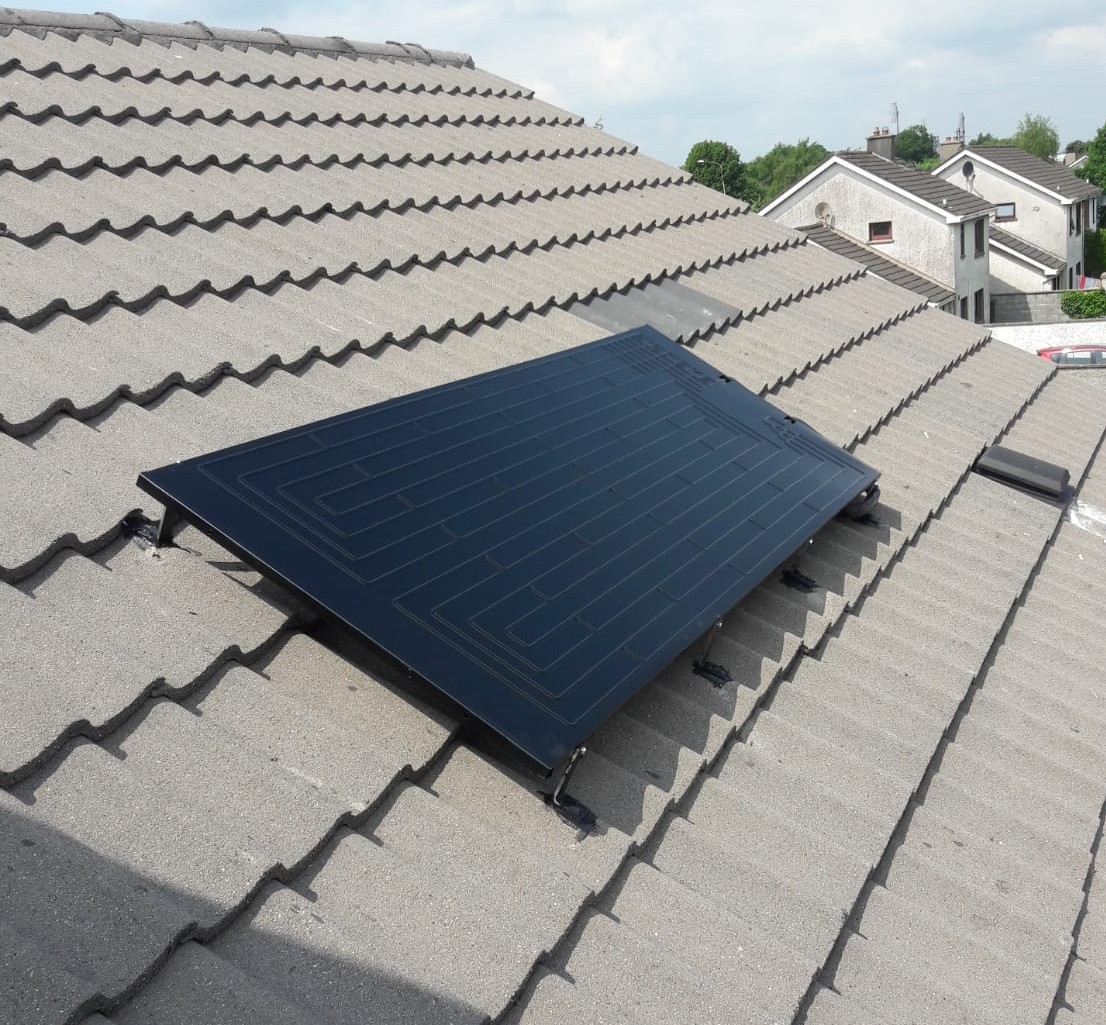
Thermodynamic Solar Panels are perfect for Ireland for one simple reason. A single thermodynamic solar panel application can offer a family of 6 people 100% of their required hot water every single day of the year.
PV Solar Panels are becoming ever more commonplace in the Irish marketplace. These panels generate electricity free of cost from renewable solar energy.
We guide you through the SEAI grant process to help reduce the cost of your installation. Grants available for homeowners and businesses.
Conservation

As part of the conservation plan of LVP Renewables, we plant a tree for every solar system we sell. This is our way of offsetting any carbon footprint created by our team visiting your home when we survey and install a solar system.
Our Examples
Choose the perfect solar energy package for your home or business.
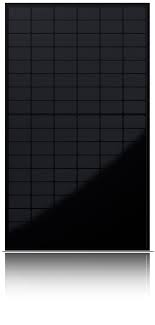
Top Components
There are some important things to think about before you choose components for your solar power systems. Here are our top 10 solar products






Eco-Friendly Advice
Simple changes and upgrades to make your home more efficient and sustainable.
Thermodynamic Solar Panels provide an ideal year-round hot water solution, covering up to 100% of annual hot water needs.
Passive Solar Design: Facing a house south to capture maximum daylight can reduce overall energy bills by up to 30%.
Adding a south-facing conservatory increases passive solar gains and provides an insulating effect.
Space and water heating account for over 70% of home energy usage. Switching to renewables slashes these costs.
Wood is a carbon-neutral indigenous resource to Ireland, replacing imported fossil fuels like oil and coal.
Heat Pump Systems (ground, air, or water) combined with underfloor heating are ideally suited to the Irish climate.
Modern wood burning stoves achieve up to 80% efficiency, compared to just 20-30% for traditional open fires.
Wood pellet/chip boilers offer a convenient alternative to gas or oil and integrate easily into existing systems.
Wood log gasification boilers are highly efficient and suitable for homes with access to forestry or agricultural wood sources.
See what our customers have to say about their experience with LVP Renewables.
Loading reviews...
Get the best advice and suitable solutions for your solar panels needs and the solar installation process. Speak with our LVP Renewables Experts NOW to get a customised quote on solar panels installation.
News & Updates
Stay updated with the latest trends, tips, and news in the world of solar energy.

As the world shifts towards sustainable energy sources, solar panels have emerged as a popular choice for generating cle...
Read More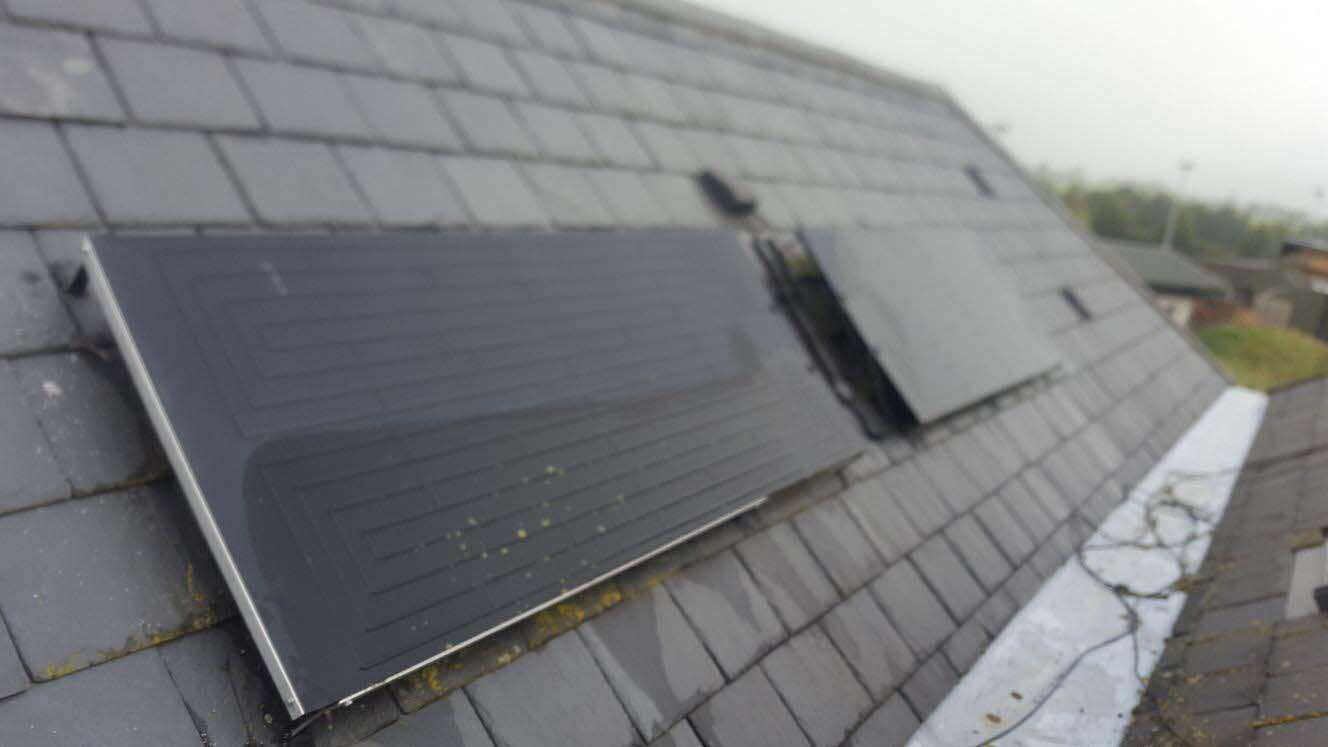
Many homeowners are seeking new and cost-effective ways to generate energy for their homes. One of the ultimate ways to ...
Read More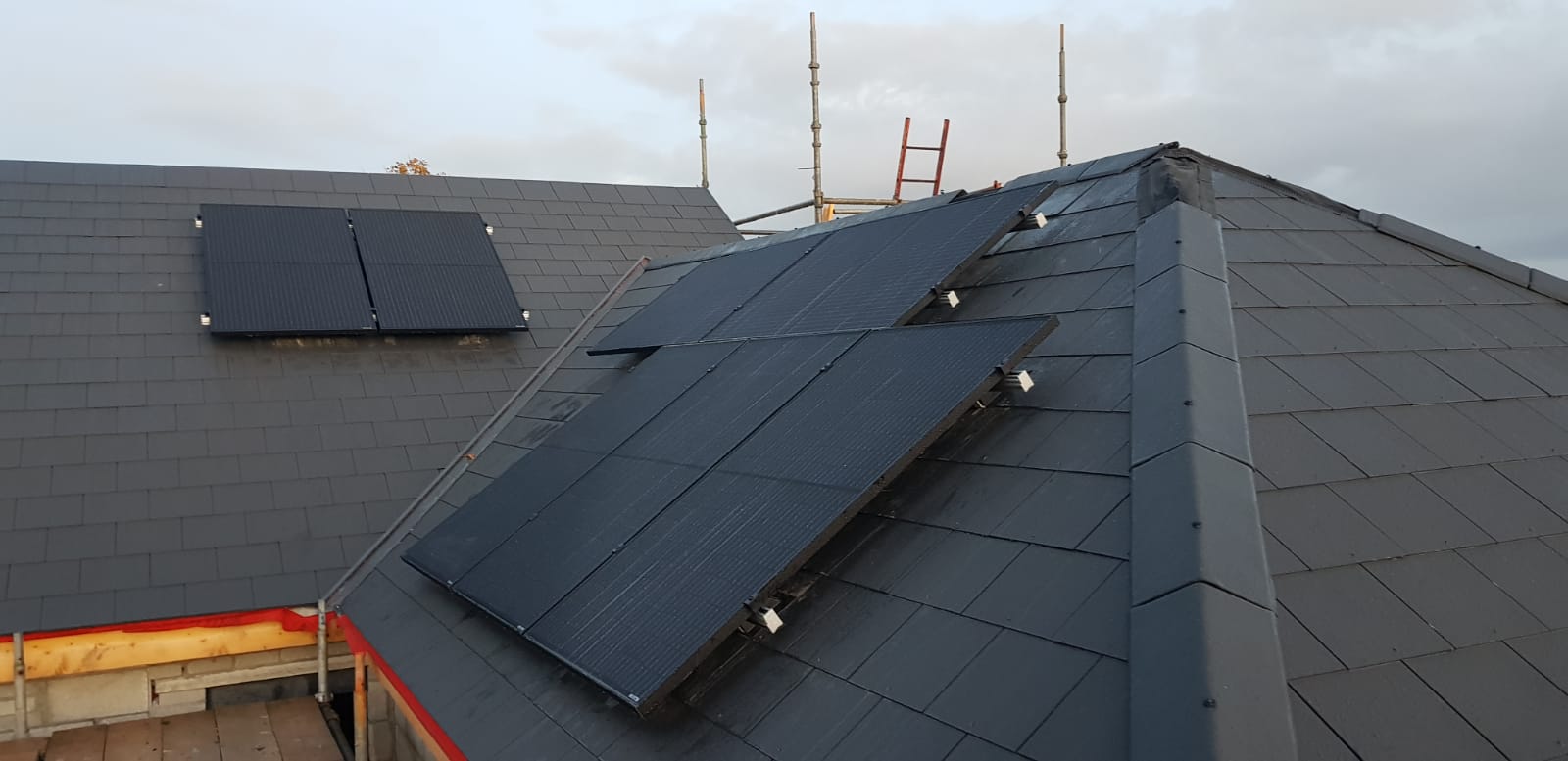
For those moving into a new property, there are many ways to prepare and enhance the space before moving in day. From fr...
Read More