If you've been putting off going solar while waiting to see what happens with government support, 2026 has brought some genuinely good news. After years of annual cuts, solar panels grants in Ireland have held their ground this year—and there are a few other updates worth knowing before you apply.
Here's a clear breakdown of what's actually changed with grants for solar panels Ireland, and what homeowners need to know before starting an application.
The Big Update: No Reduction to the €1,800 Grant
For several years, the SEAI grants for solar panels scheme was set to shrink by €300 annually, with the residential grant eventually phasing out entirely by around 2028–2029. That plan has now been reversed.
Minister for Climate, Energy and the Environment Darragh O'Brien confirmed that the SEAI grants solar panels scheme will stay at its current maximum for 2026, rather than dropping as originally scheduled. In practical terms:
- The residential solar PV grant remains capped at €1,800
- The rate structure is unchanged: €700 per kWp for the first 2kWp, plus €200 per kWp for the next 2kWp, up to a 4kWp system
- Systems of 4kWp or larger still receive the full €1,800; smaller systems receive a proportional amount
This is the first year the grant hasn't been reduced since the scheme launched, which makes 2026 a genuinely strong window for anyone considering grants for solar panels ireland as part of their home upgrade plans.
What Hasn't Changed
It's worth being clear about what's staying the same, since a lot of the scheme's core rules remain untouched:
- 0% VAT still applies to the supply and installation of solar panels on private homes
- Homes must have been built and occupied before 31 December 2020 to qualify
- One grant is allowed per MPRN (electricity meter point)—no repeat claims at the same property
- There's still no means testing; the grant is based on the property, not your income
- Battery storage remains outside the grant's scope, as it has been since February 2022
If you were expecting battery support to return alongside the frozen grant, that hasn't materialised. Batteries can still be installed alongside a grant-aided system, but they're funded separately.
A Technical Change Worth Knowing: The BER Scale Update
One change that doesn't affect eligibility but is worth flagging: Ireland's BER (Building Energy Rating) scale is moving from the long-standing A1–G15 letter-and-number format to a simplified A0–G scale from 24 May 2026, bringing Ireland in line with newer EU energy performance standards.
Since a post-works BER assessment is a required step in claiming your SEAI grants for solar panels, your certificate will now display on the new scale if your installation and assessment fall after that date. Existing BER certs remain valid for their full 10-year term, so there's no need to get reassessed just because the scale has changed.

Why Demand Is Higher Than Ever
With the grant confirmed and installation costs continuing to fall, application volumes have surged. SEAI has reported a sharp year-on-year rise in solar PV applications, and installer lead times have stretched out to several months in many counties.
If you're planning to apply for SEAI grants solar panels this year, it's worth getting your quote and application moving sooner rather than later. Grant approval must be secured before any installation work begins, and once approved, you typically have 8 months to complete the works.
How to Apply: The Basics Haven't Changed
The grant application form for solar panels process still follows the same steps:
- Choose an SEAI-registered installer (like LVP Renewables)
- Submit your application and wait for grant approval before any work starts
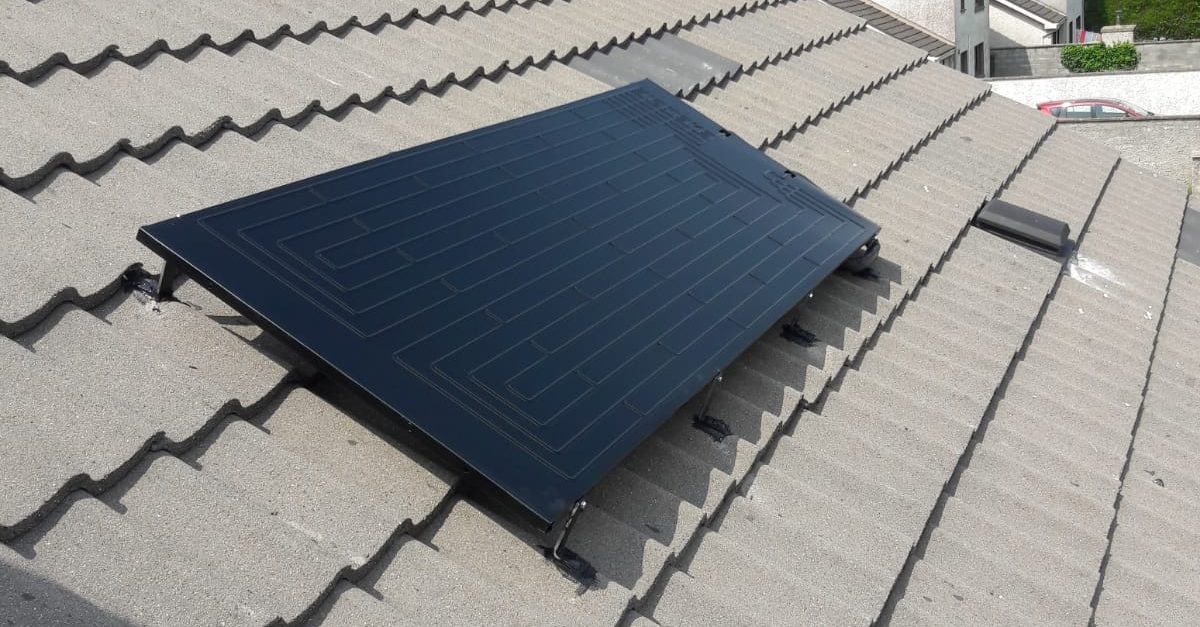
- Complete the solar PV installation
- Arrange a post-works BER assessment
- Have your installer submit the Declaration of Works to SEAI
- Receive your grant payment directly to your bank account, typically within 4–8 weeks
Because approval must come before installation, getting your paperwork right the first time avoids delays—something an experienced SEAI-registered installer can help you manage from start to finish.
Should You Apply for Solar Grants in 2026?
With the solar panels grants rate confirmed and no cuts on the horizon this year, 2026 is shaping up to be one of the more stable years for solar incentives in Ireland. Combined with 0% VAT and rising electricity costs, the numbers still stack up strongly in favour of going solar now rather than waiting to see what happens in 2027.
If you've been on the fence, this is a solid year to move forward—just build in extra time for installer availability given the current demand.
FAQs
Is the SEAI solar panel grant still €1,800 in 2026?
Yes. The residential grant remains capped at €1,800 for 2026, after a planned €300 reduction was reversed by the Minister for Climate.
Will the SEAI solar grant reduce in 2027?
It's not yet confirmed. The government previously signalled annual reductions, but 2026 marks the first year the grant wasn't cut. Any changes for 2027 are expected to be addressed in the autumn budget.
Do I still need to apply before installation begins?
Yes. You must receive grant approval from SEAI before any solar PV installation work starts. Once approved, you have 8 months to complete the works.
Are solar batteries covered by the SEAI grant?
No. Battery storage has not been covered by the SEAI grant since February 2022. You can still install a battery alongside your grant-aided solar PV system, but it's funded separately.